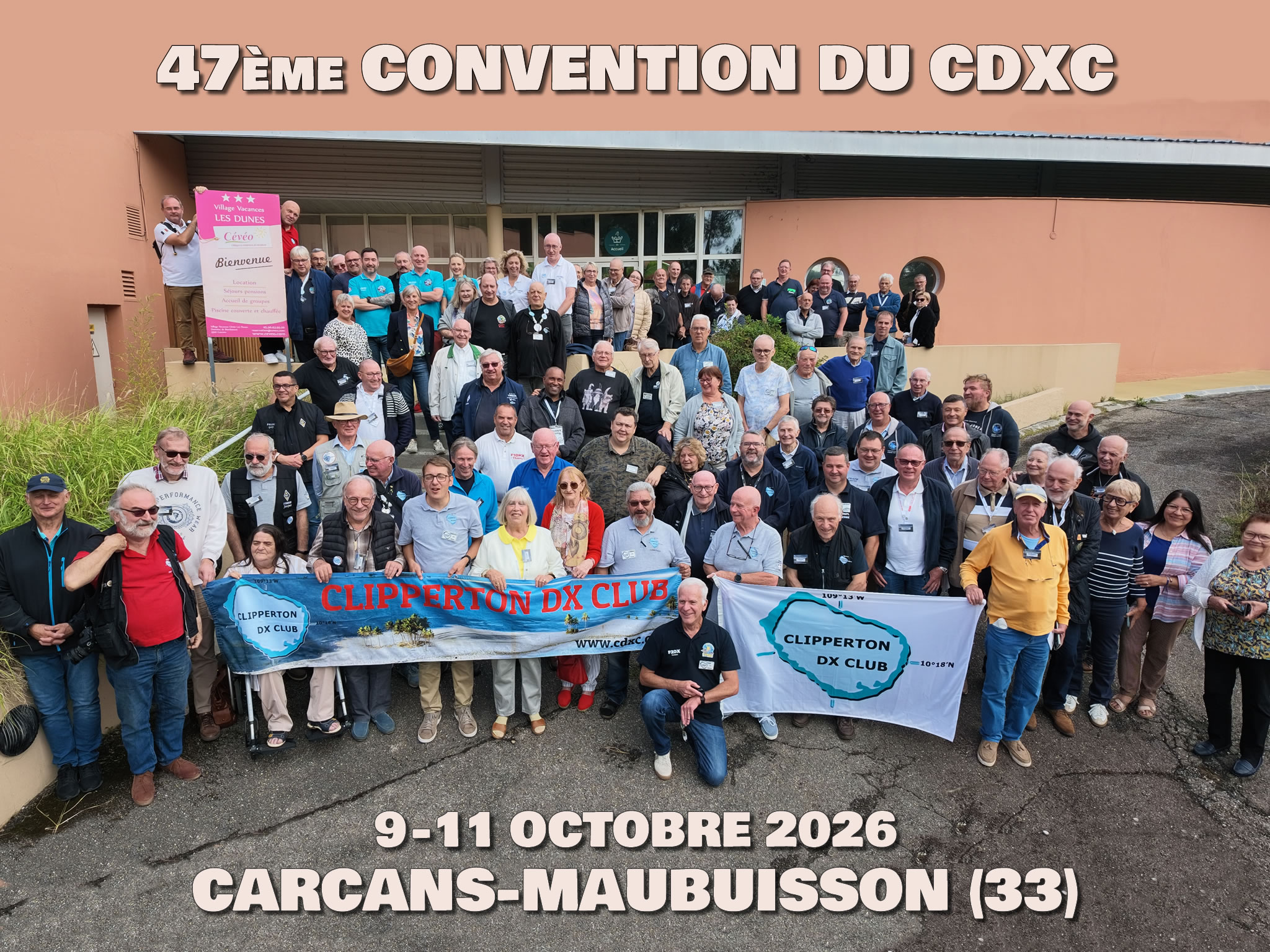
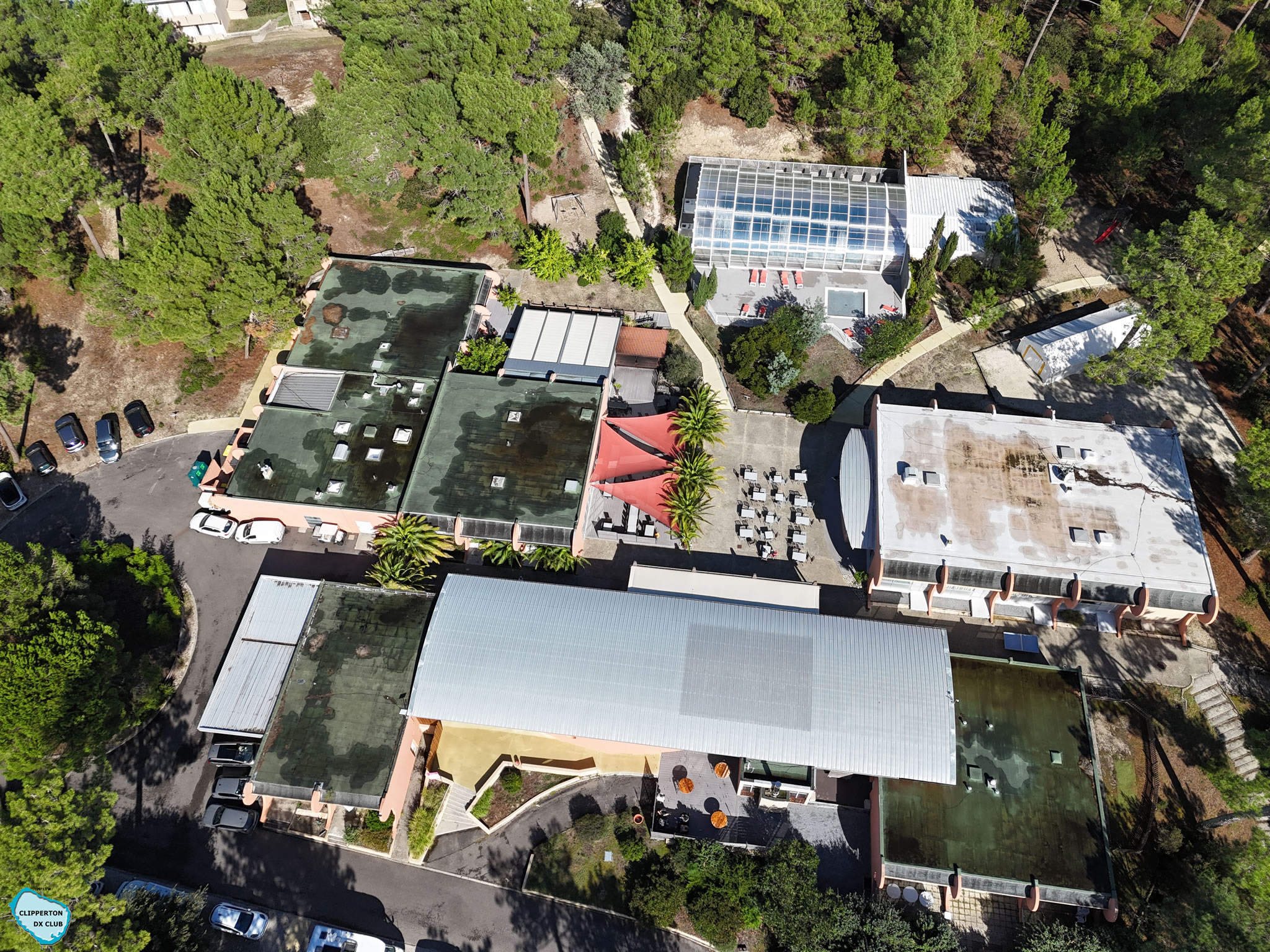
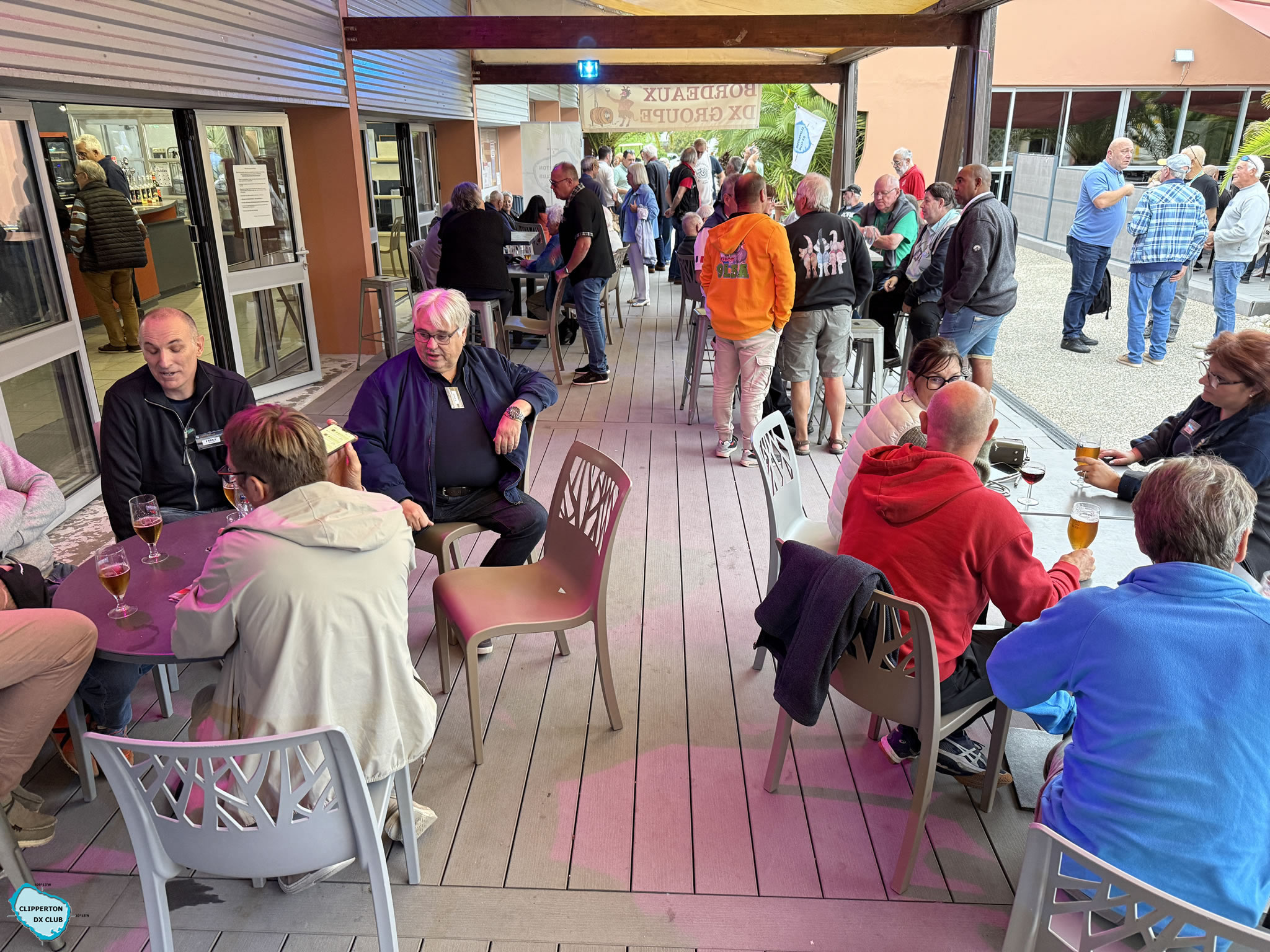
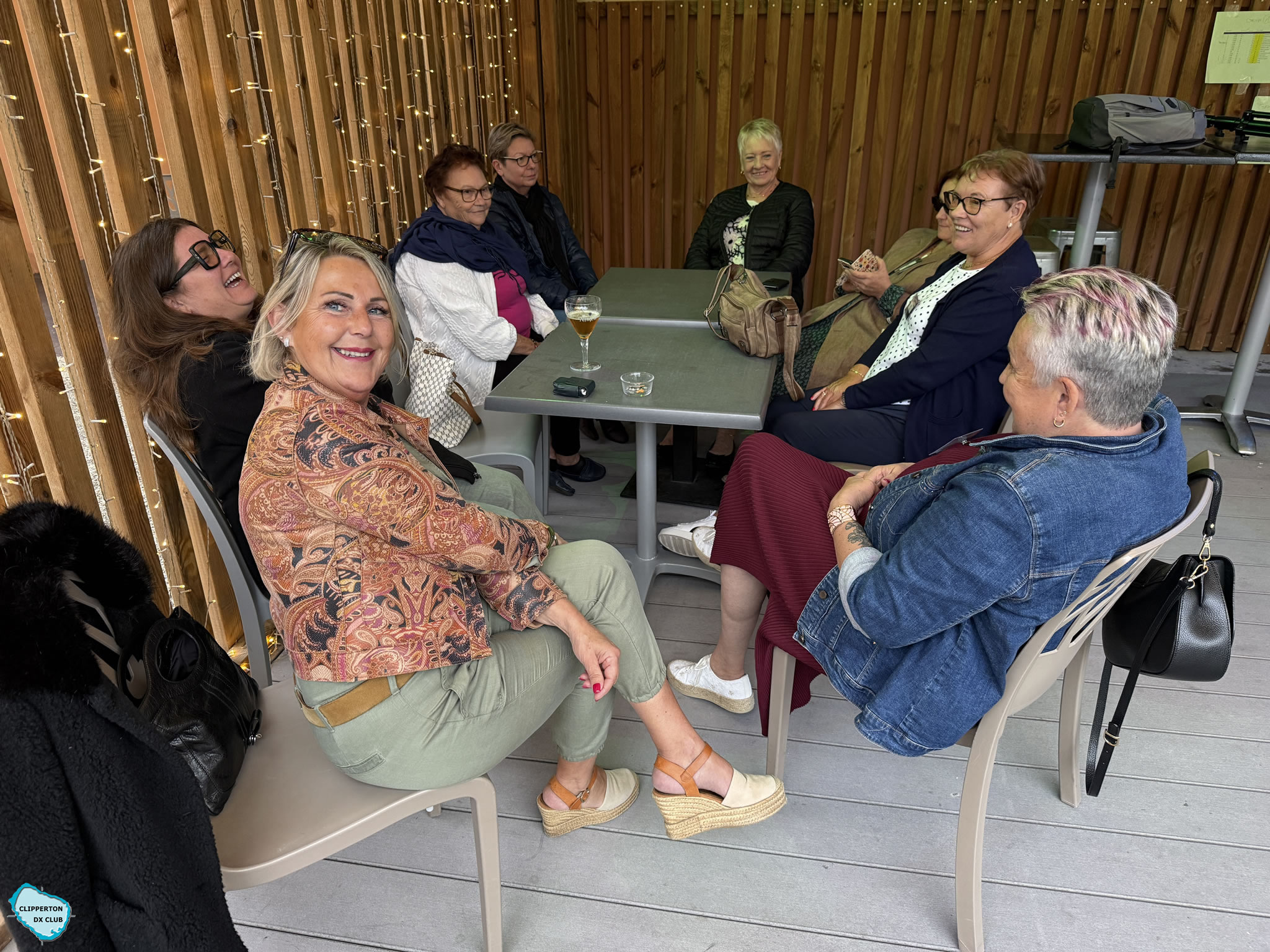
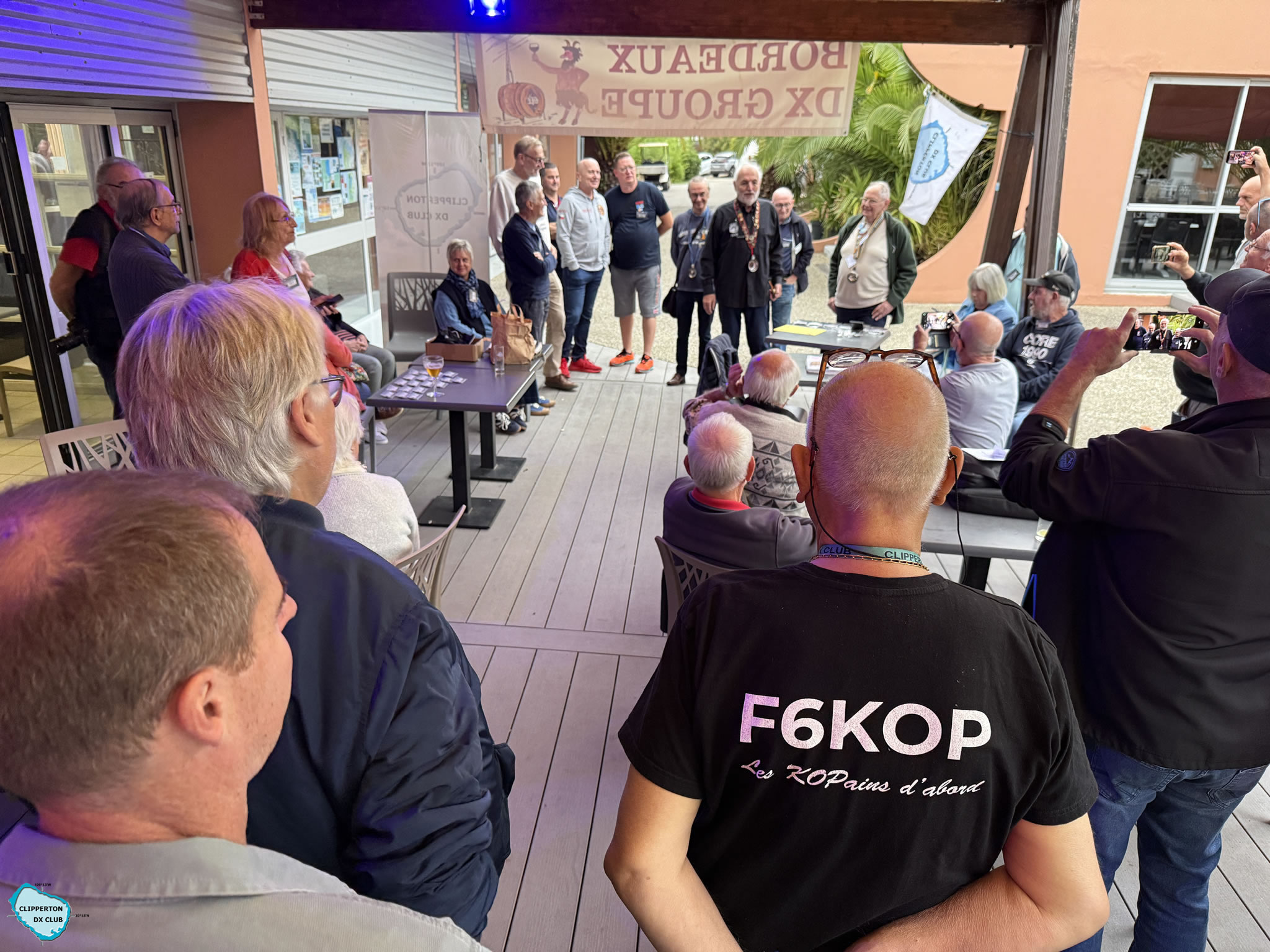
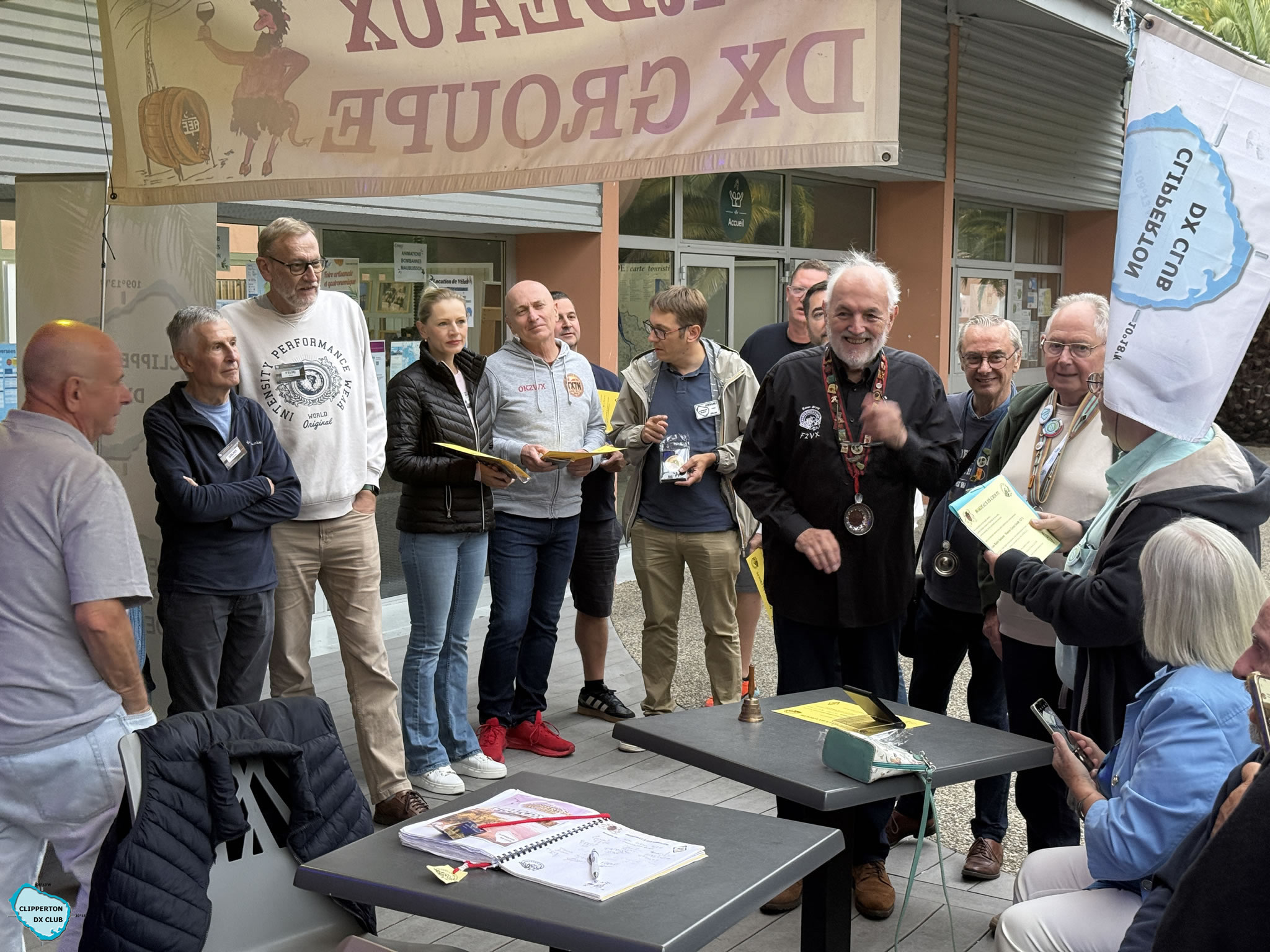
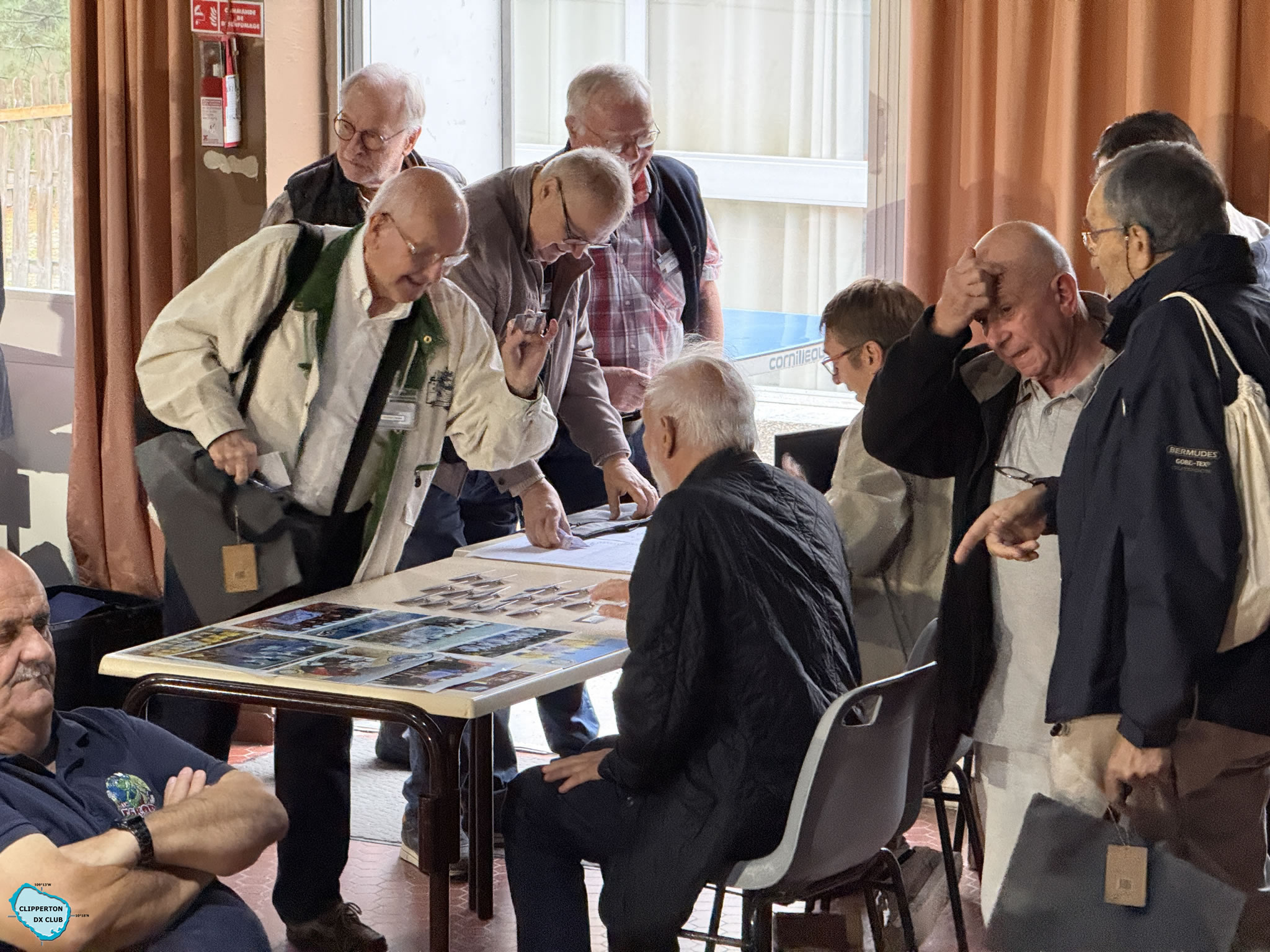
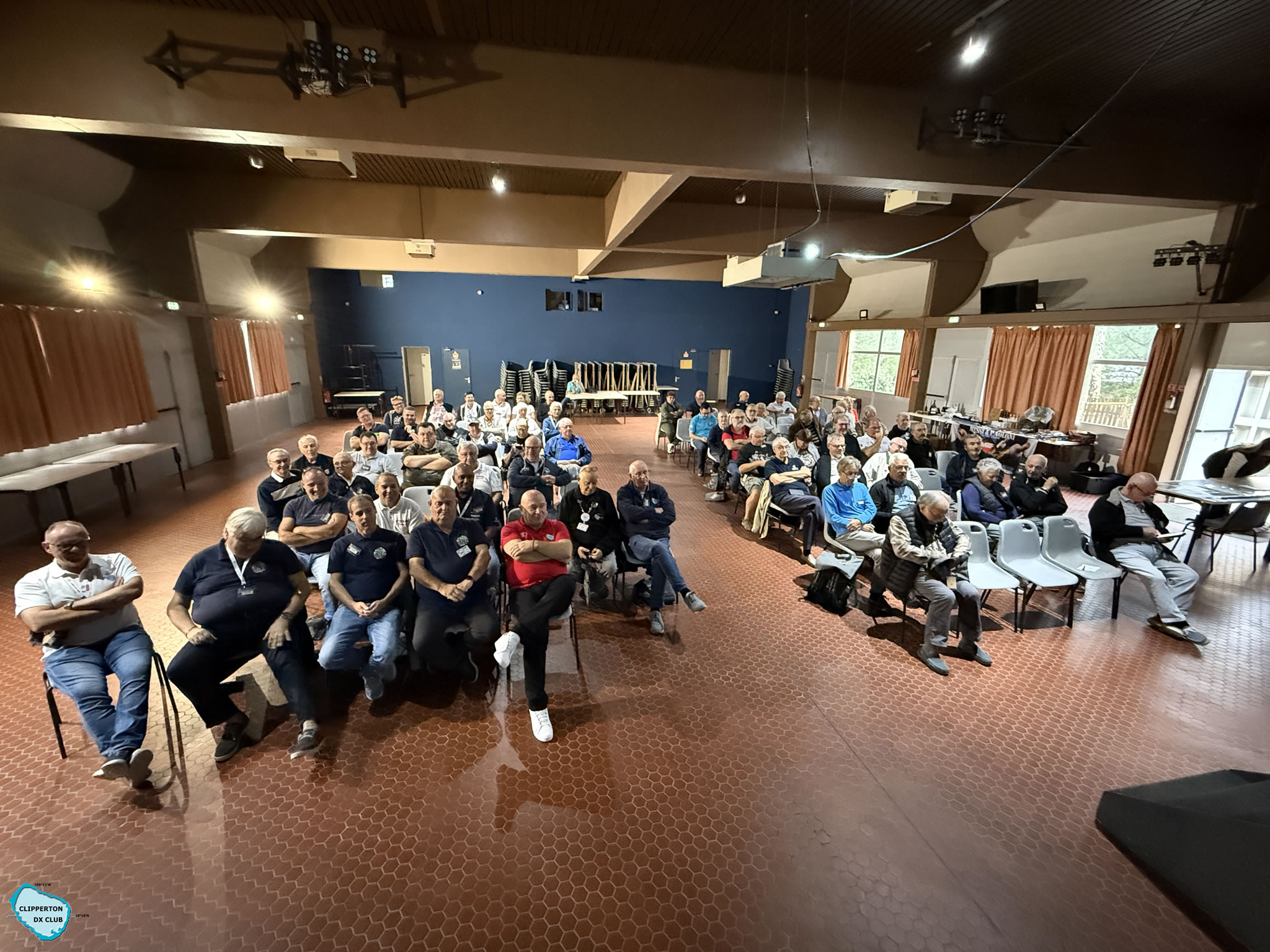
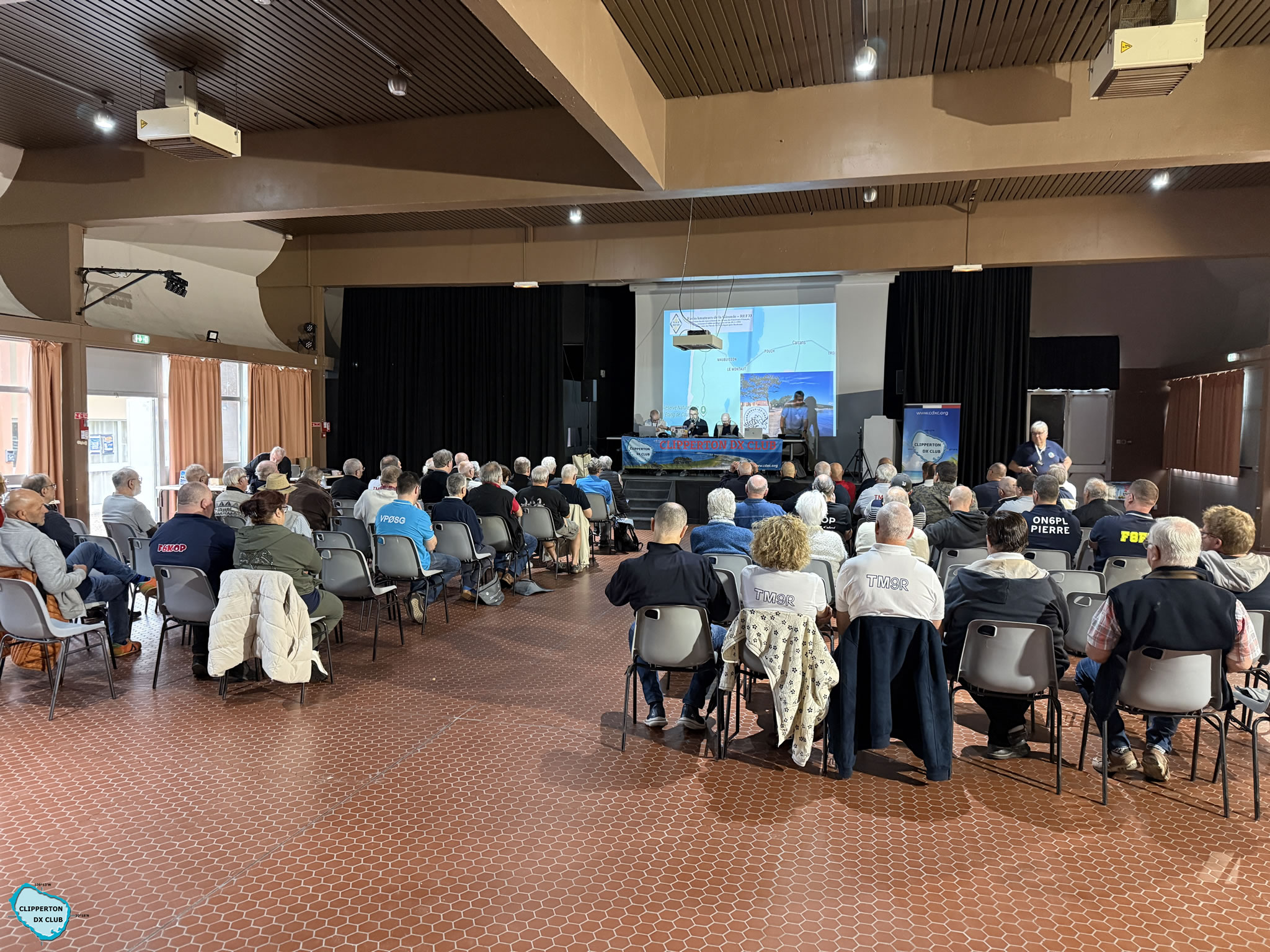
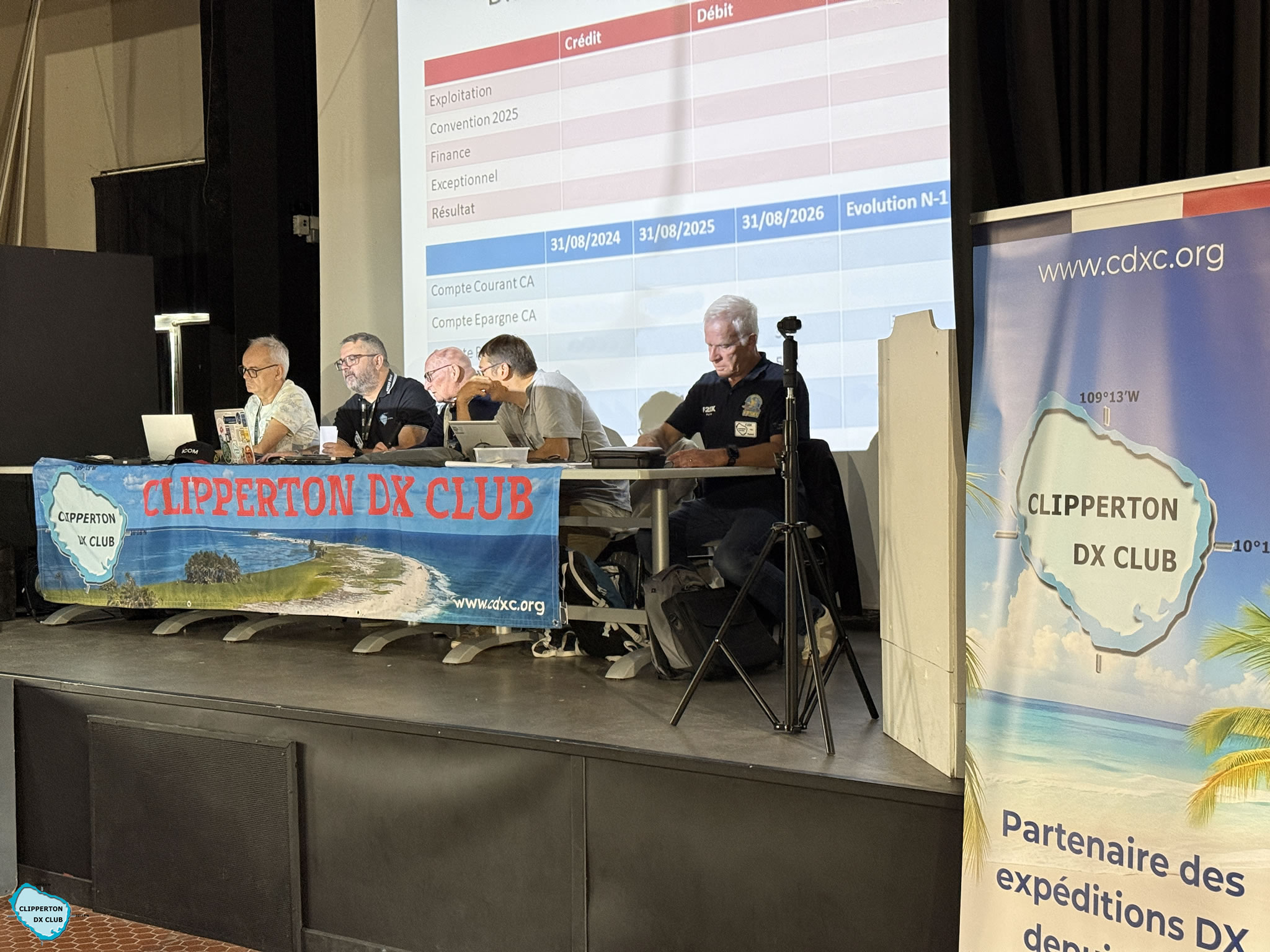
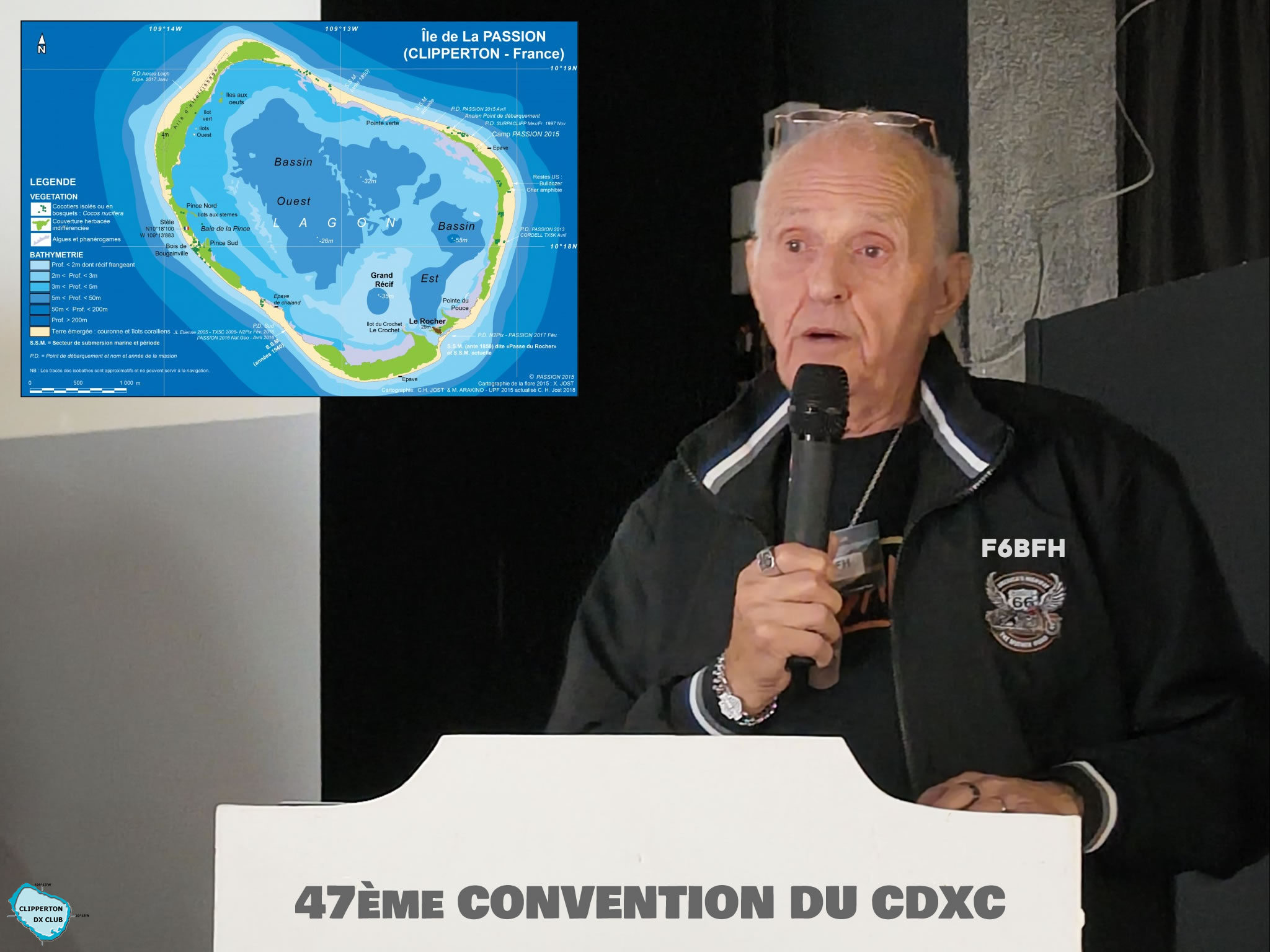
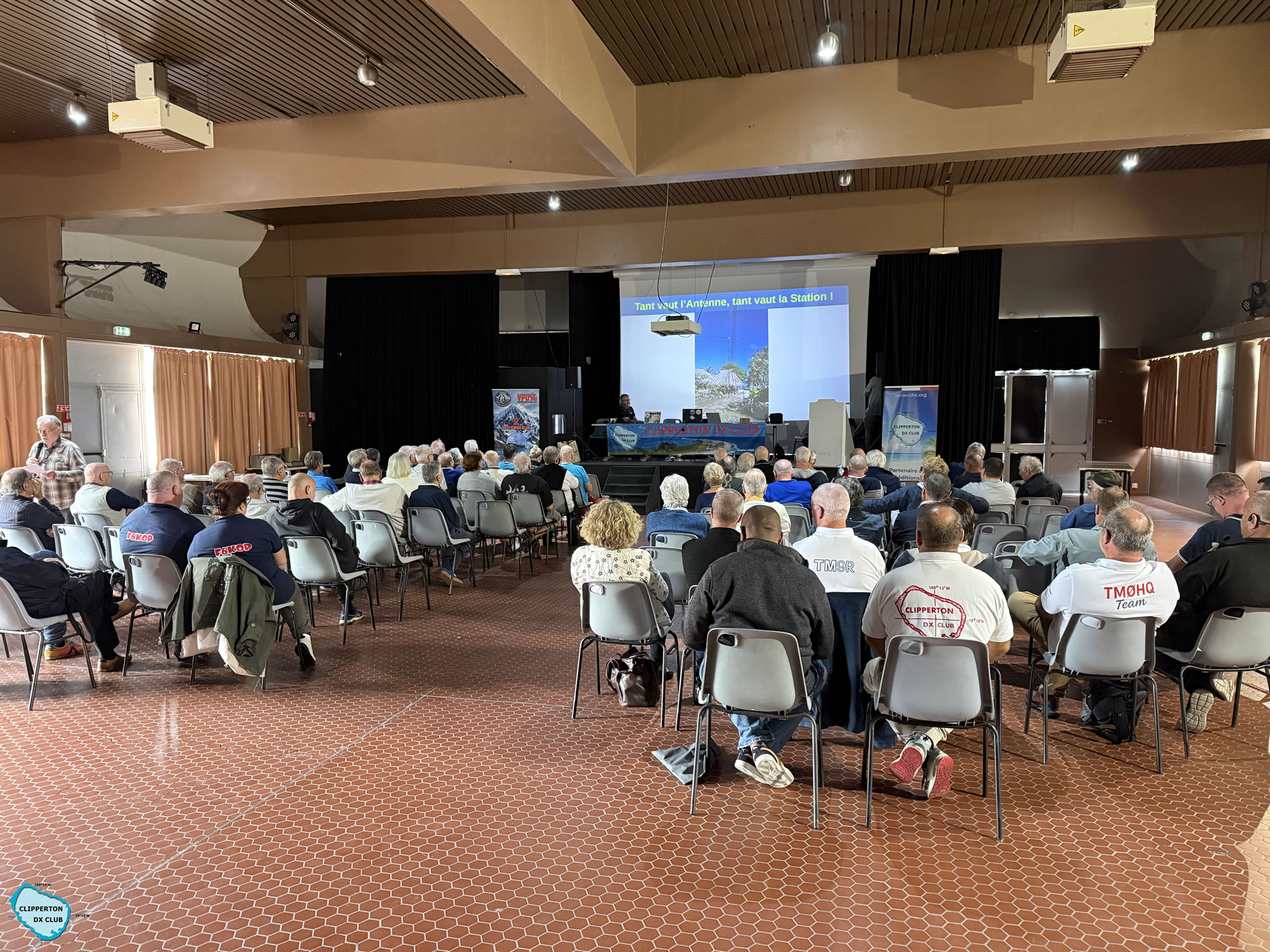
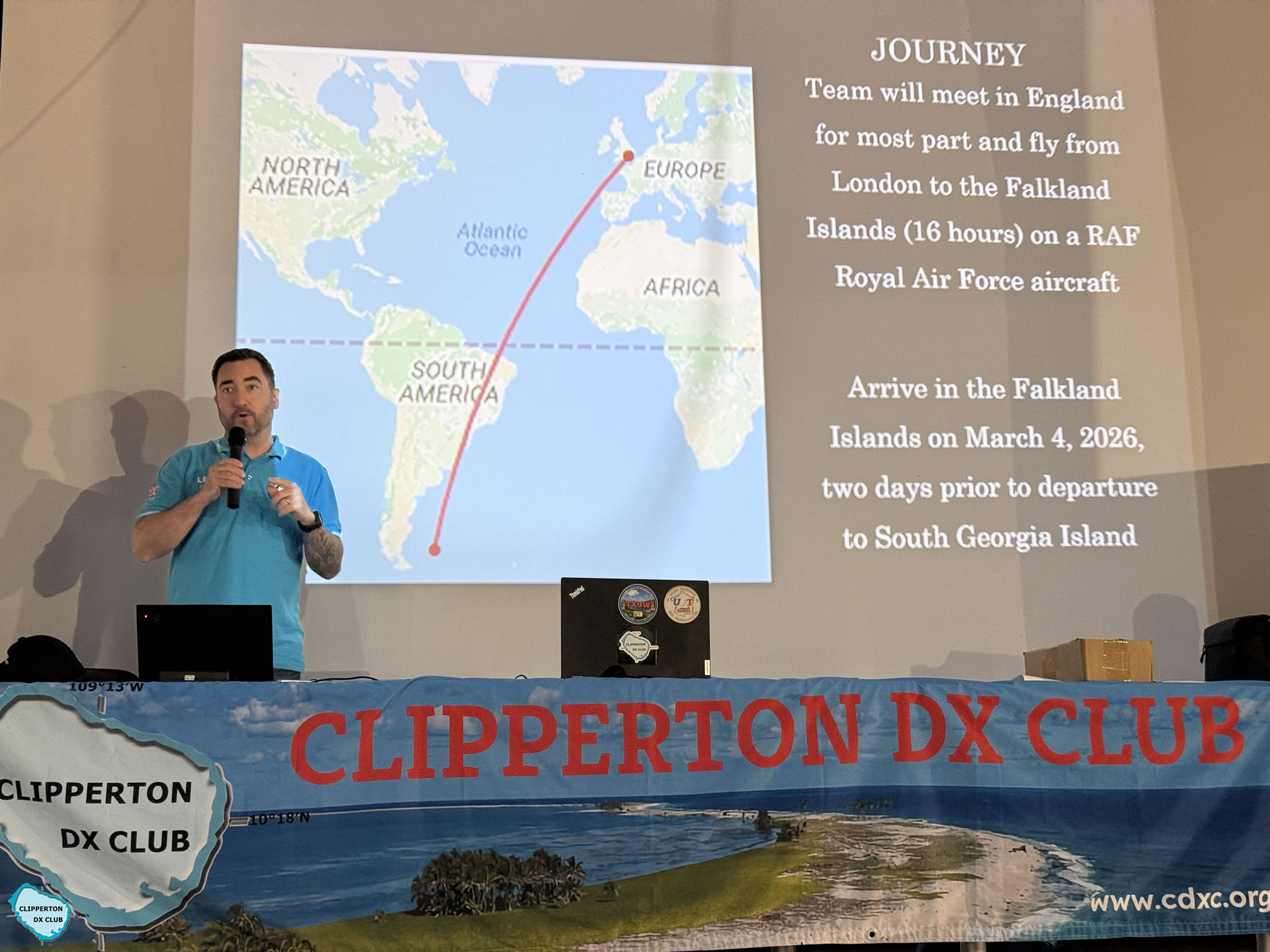
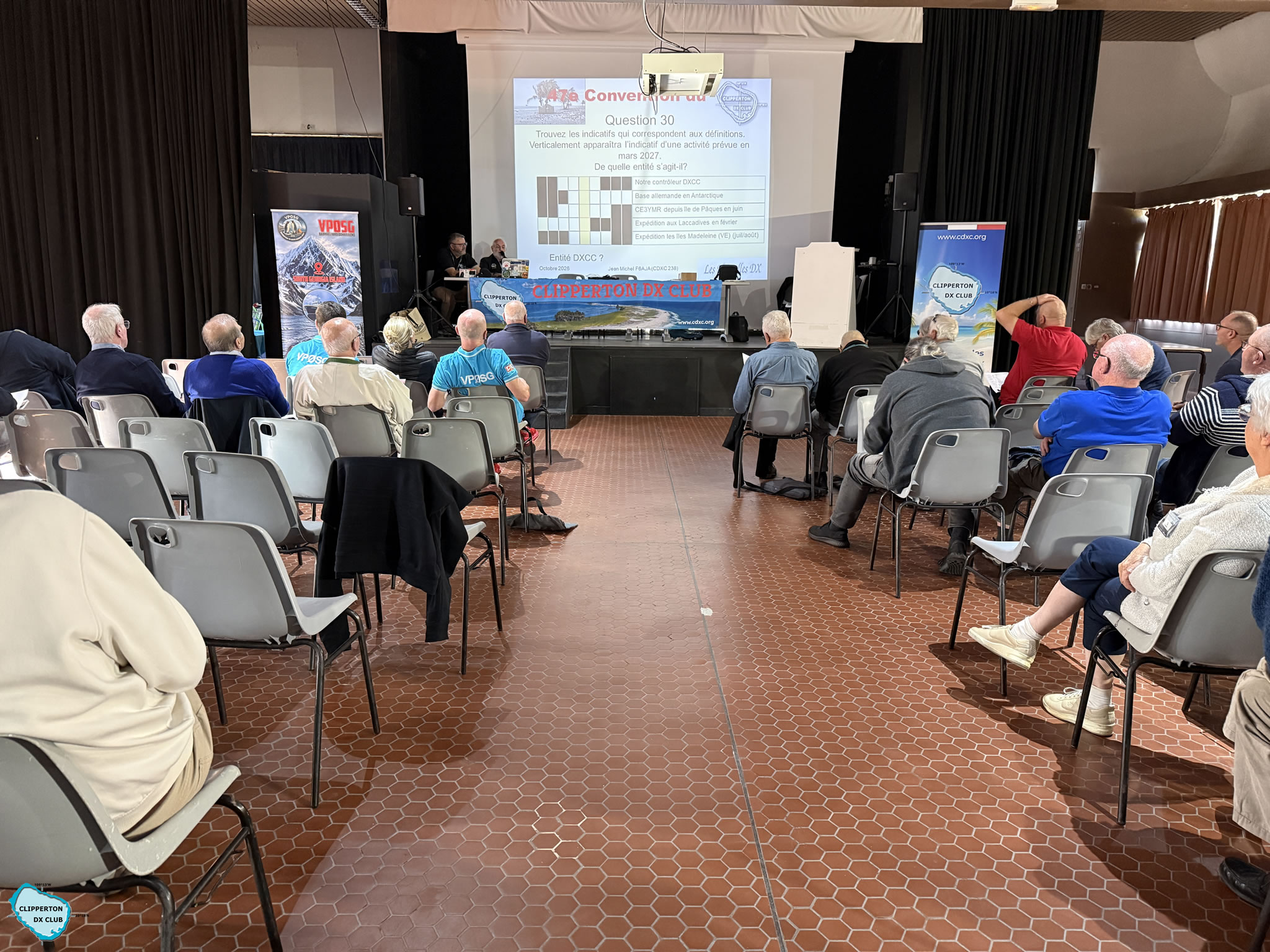
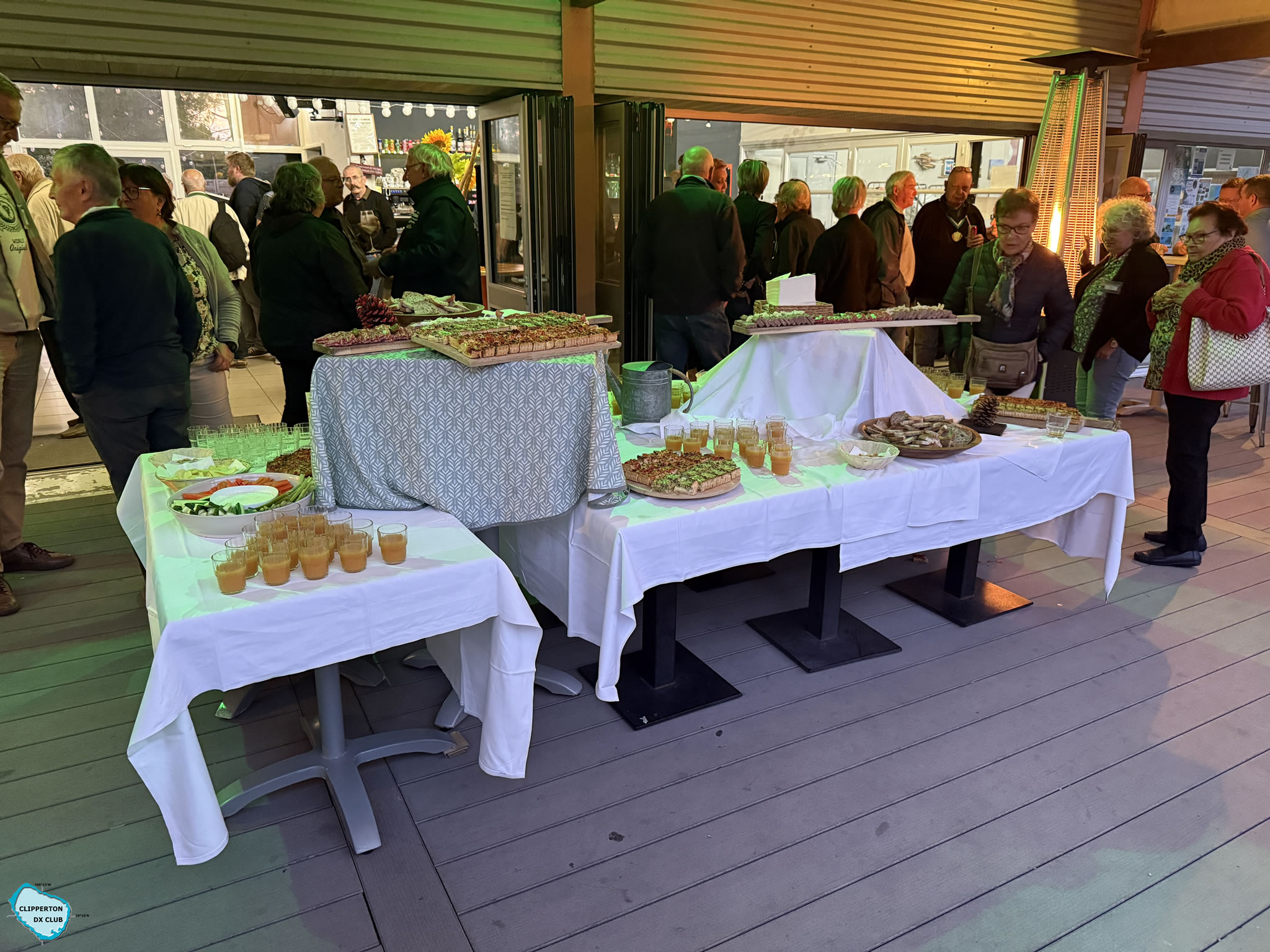
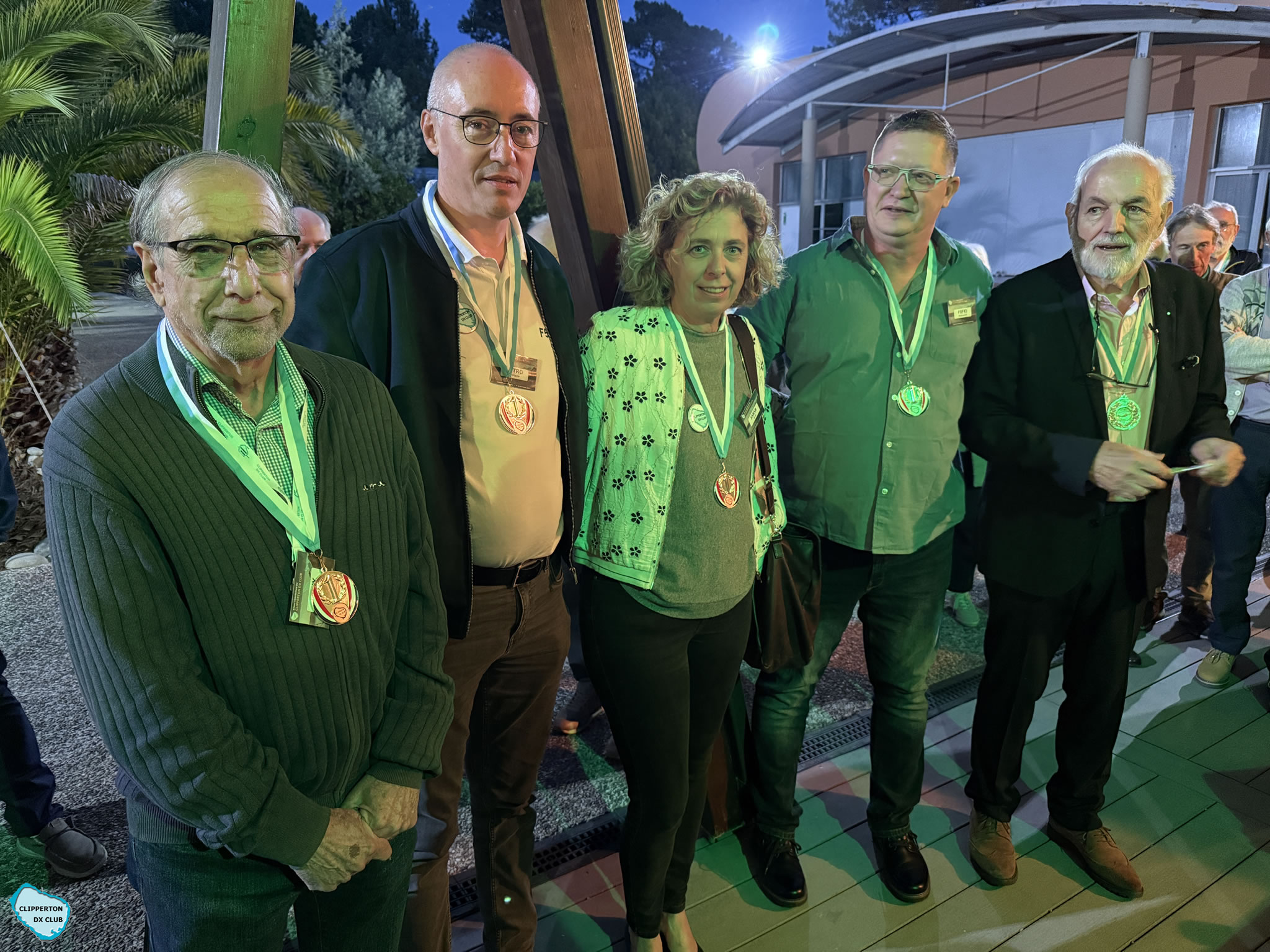
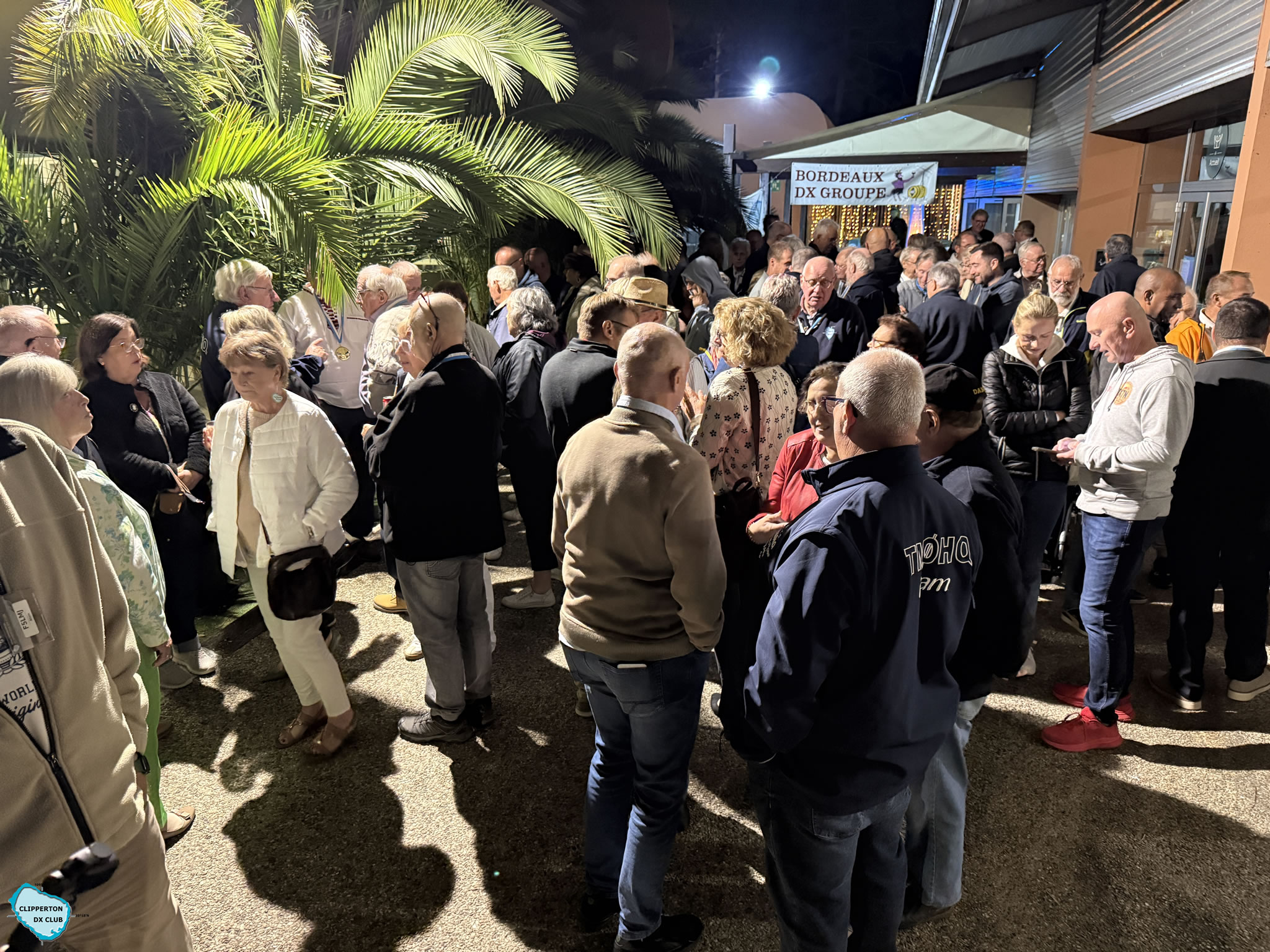
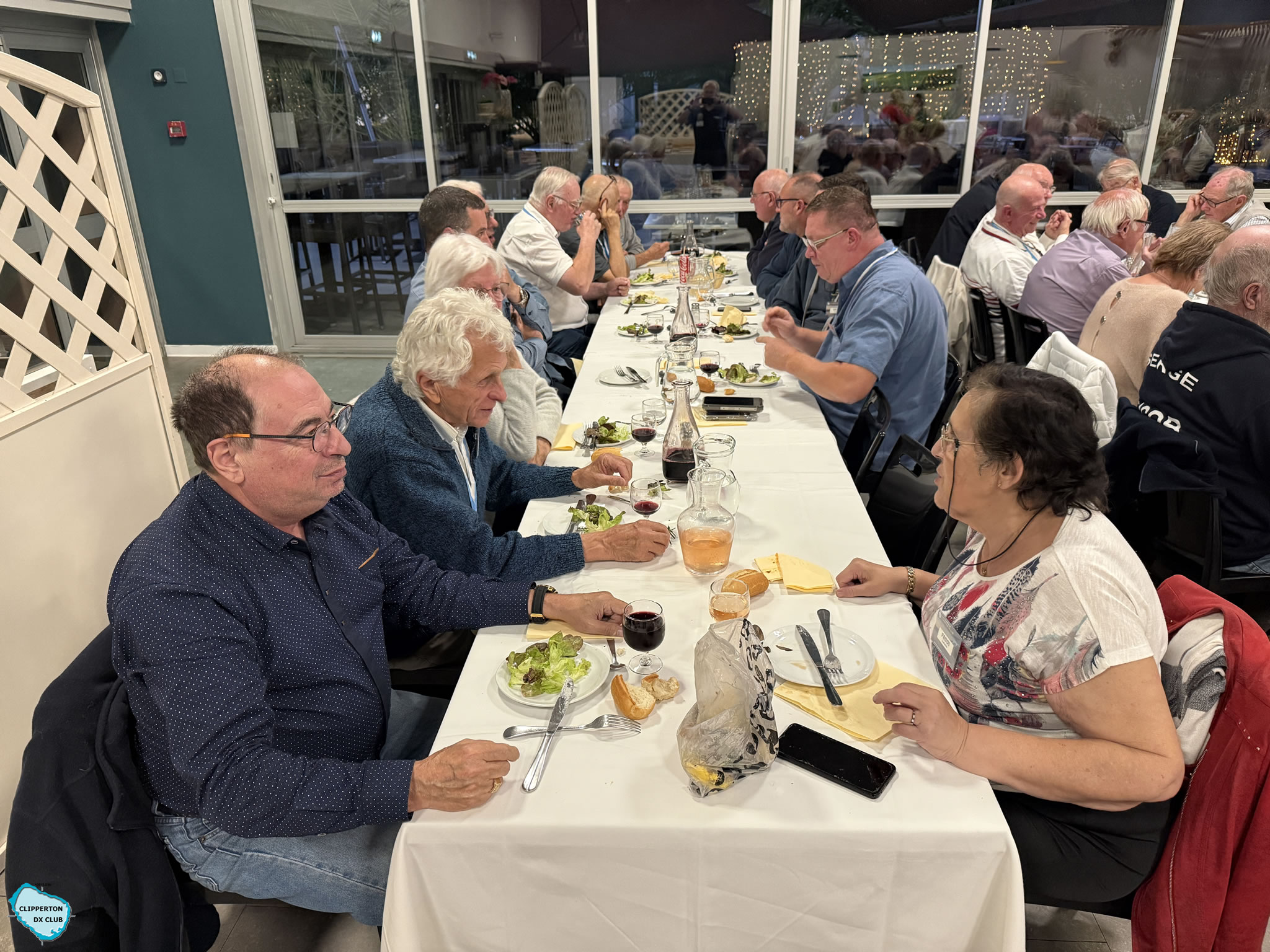
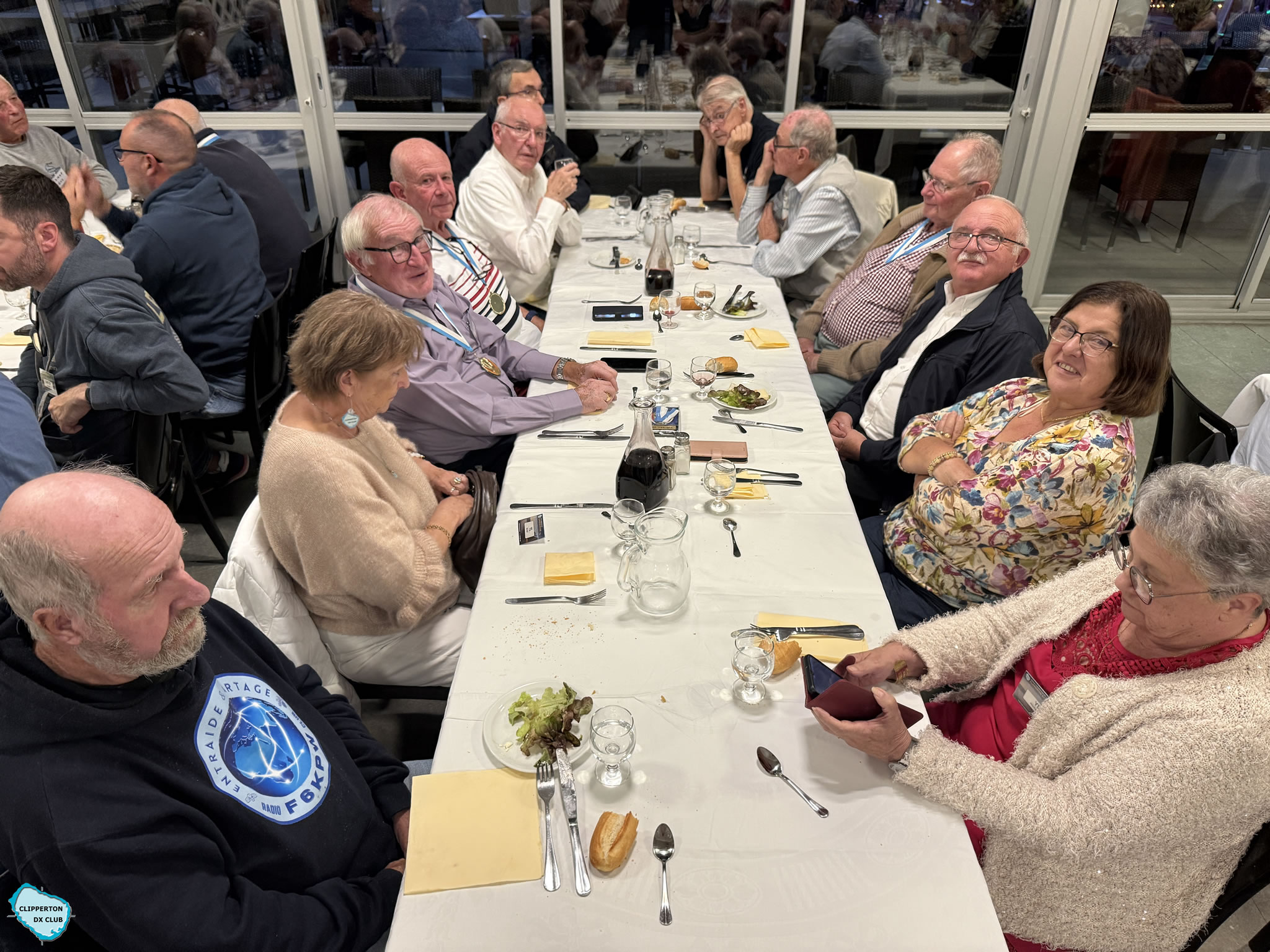
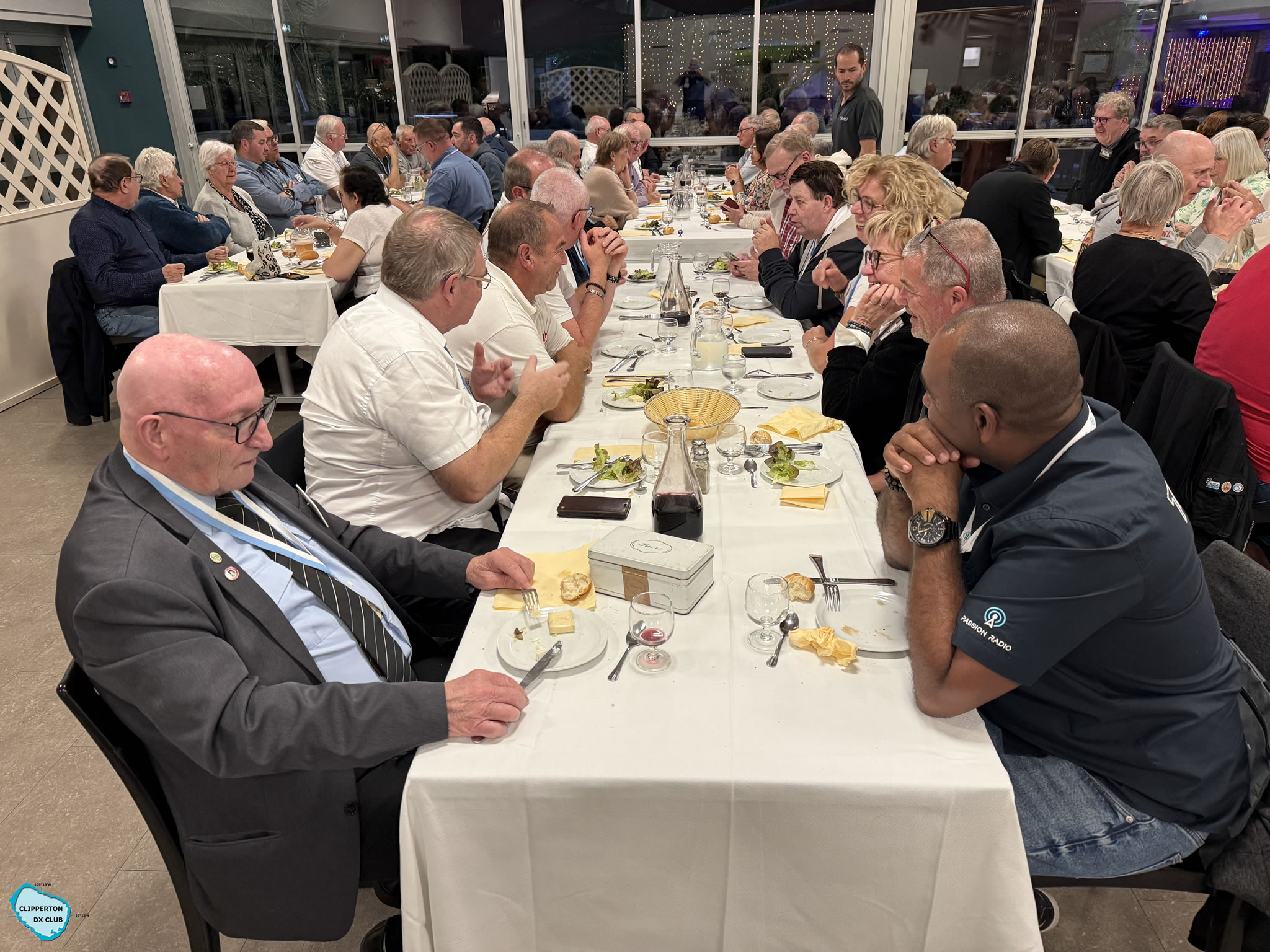
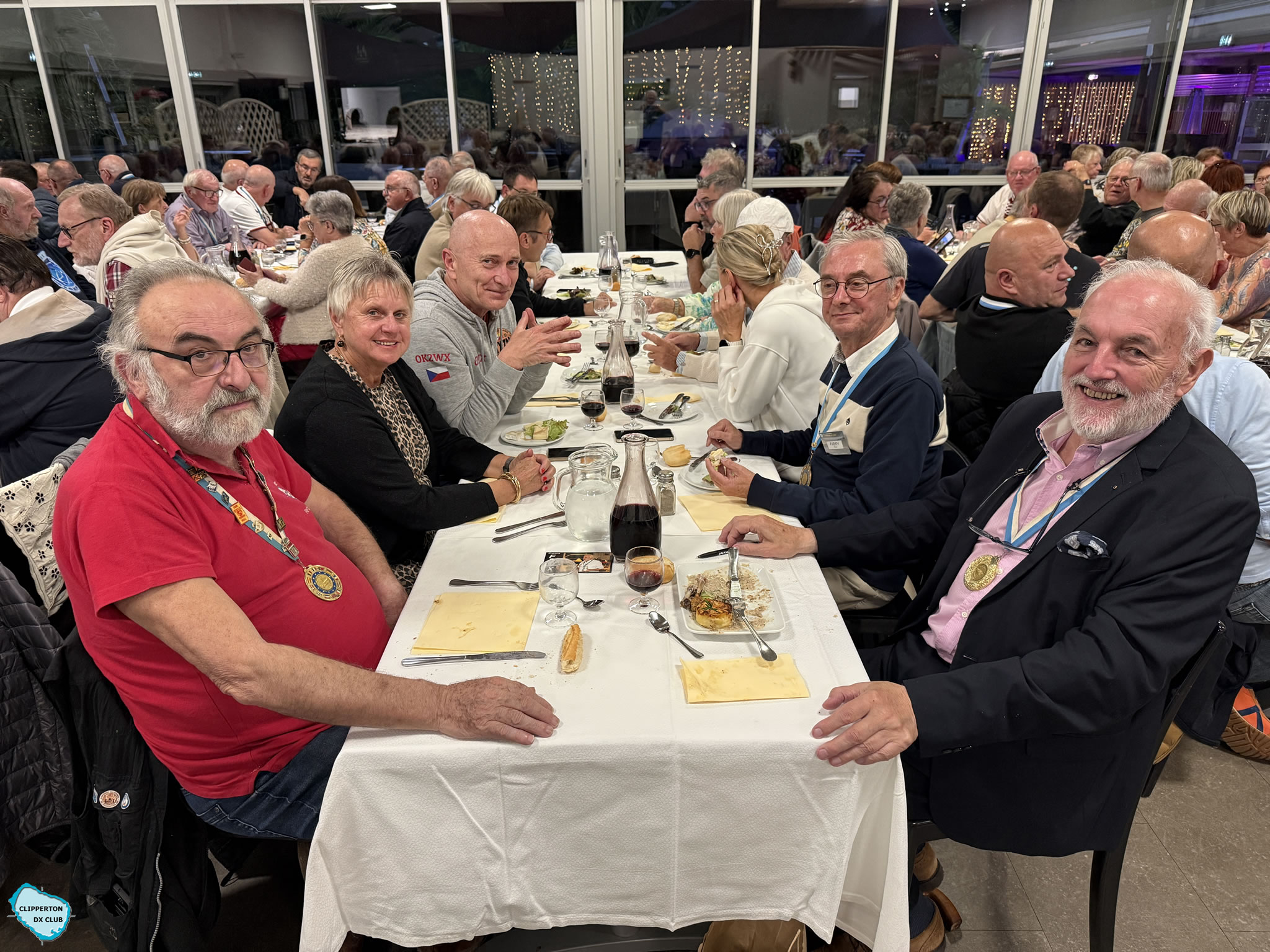
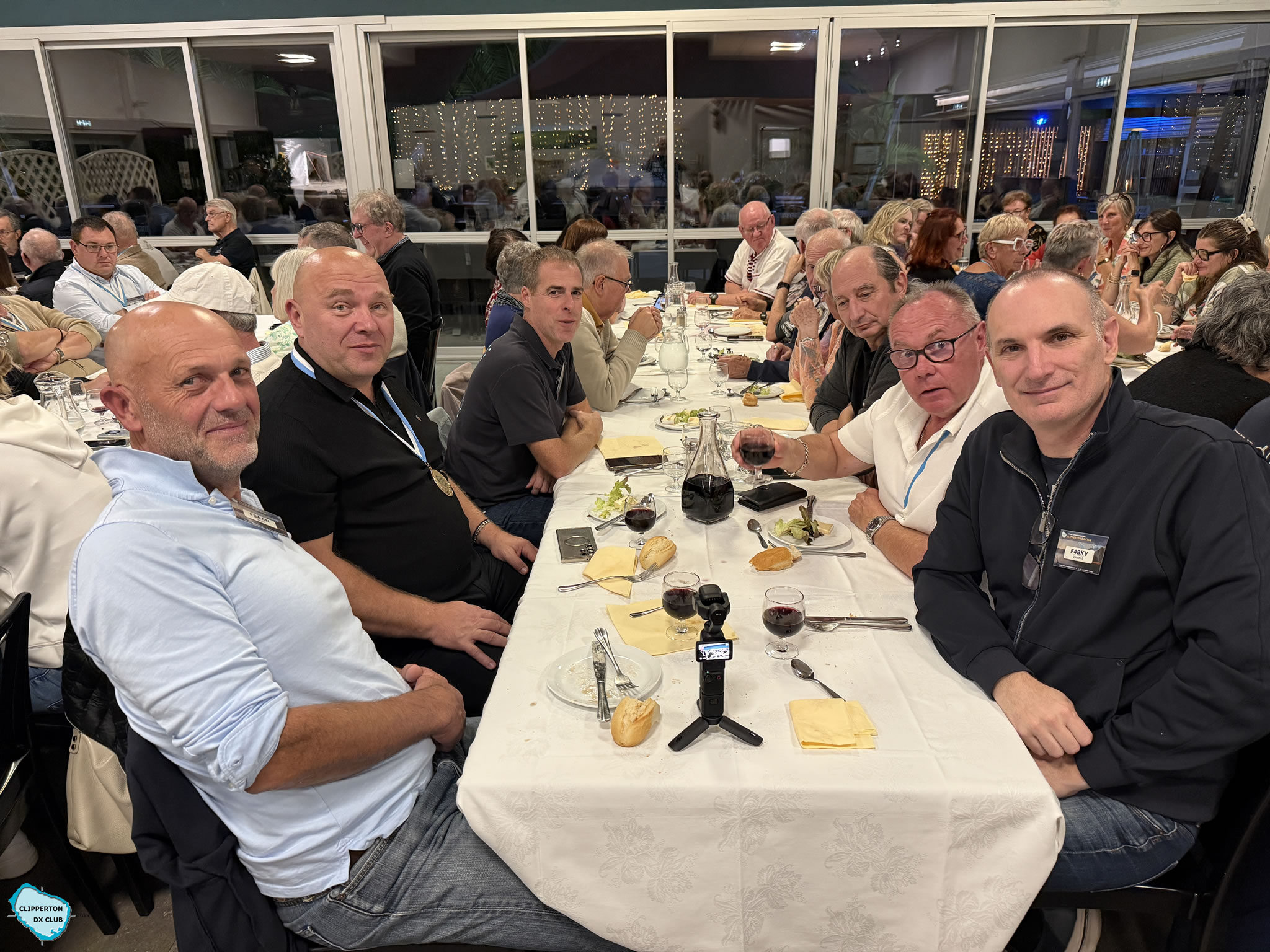
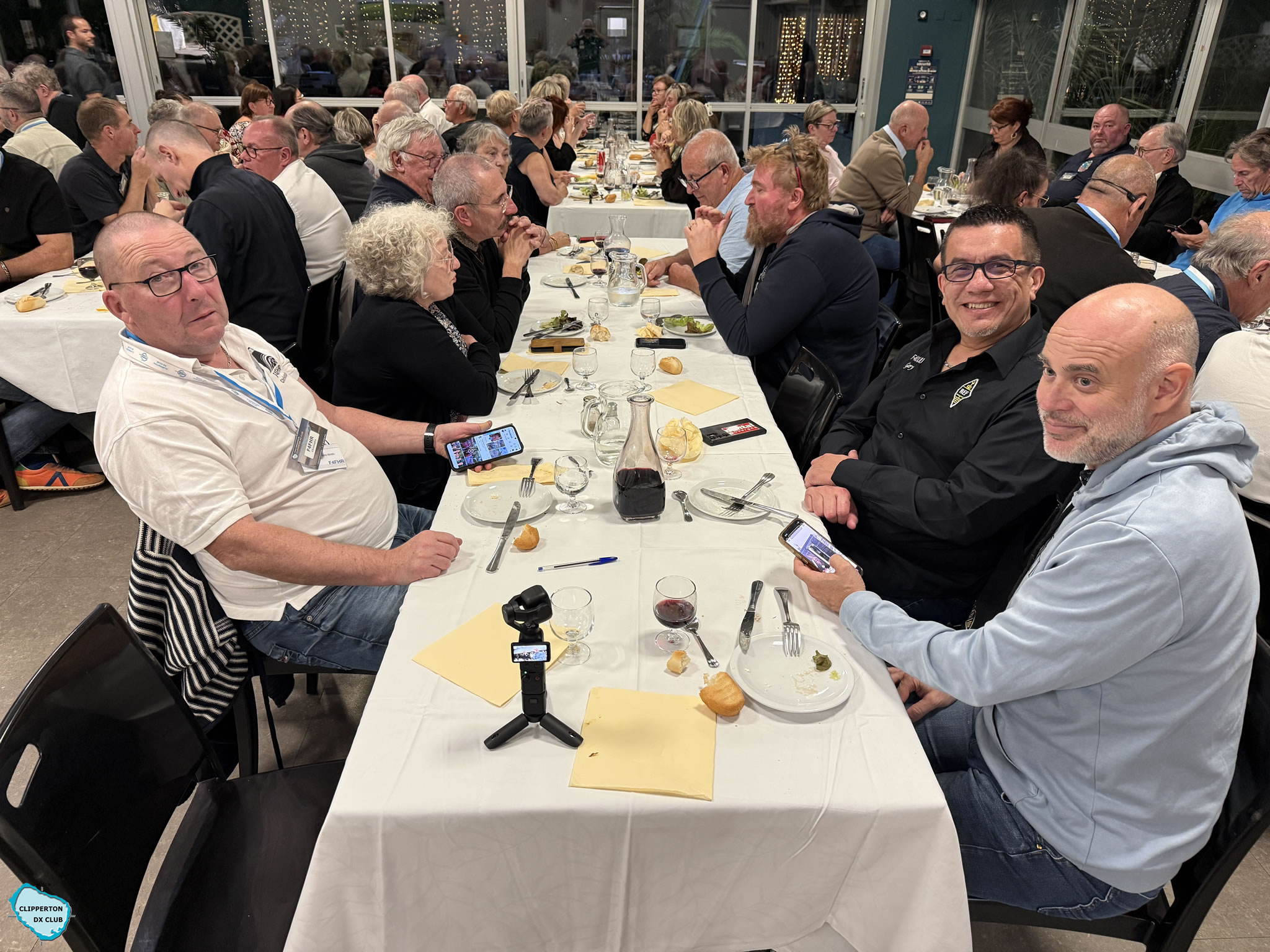
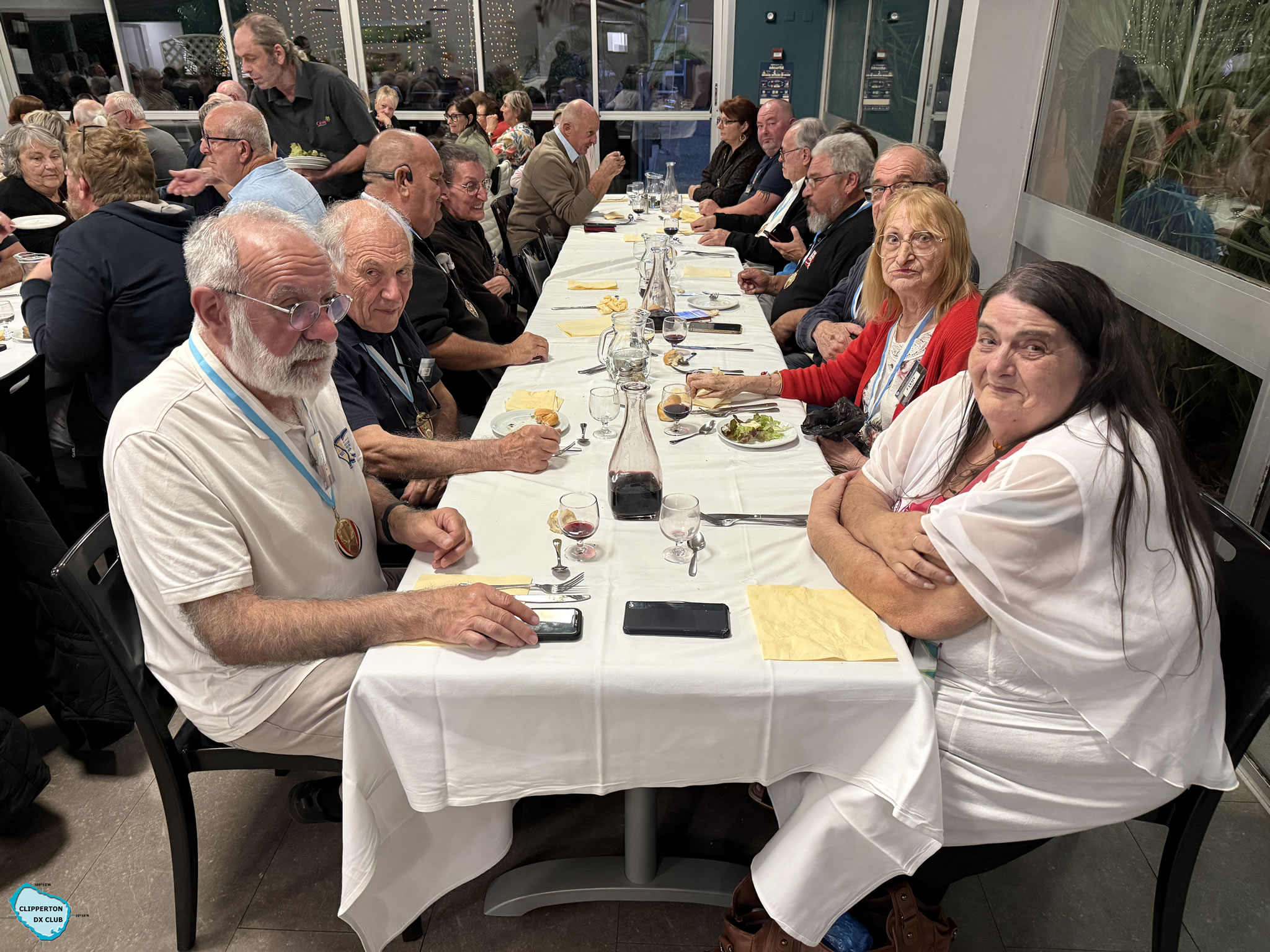
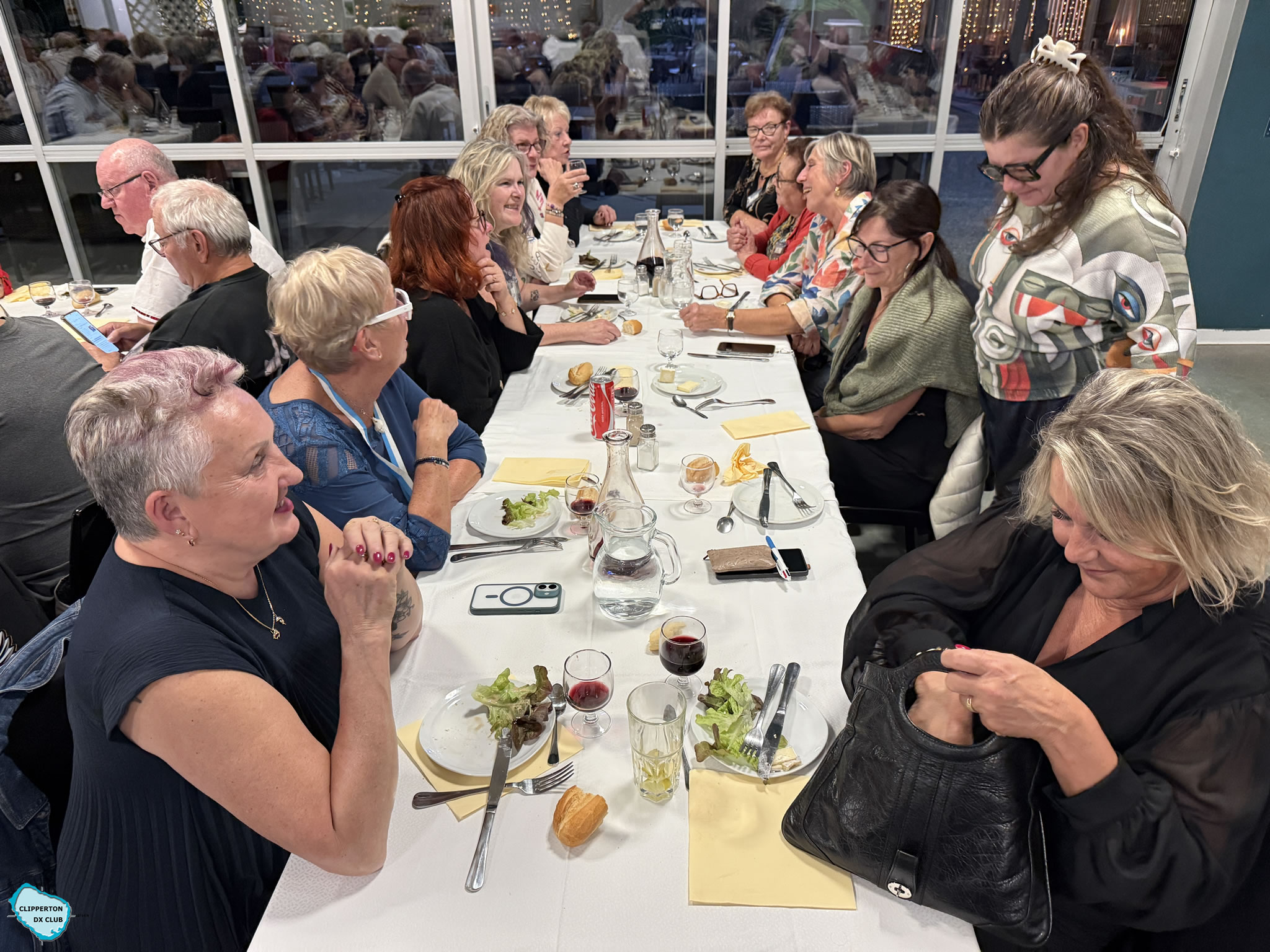
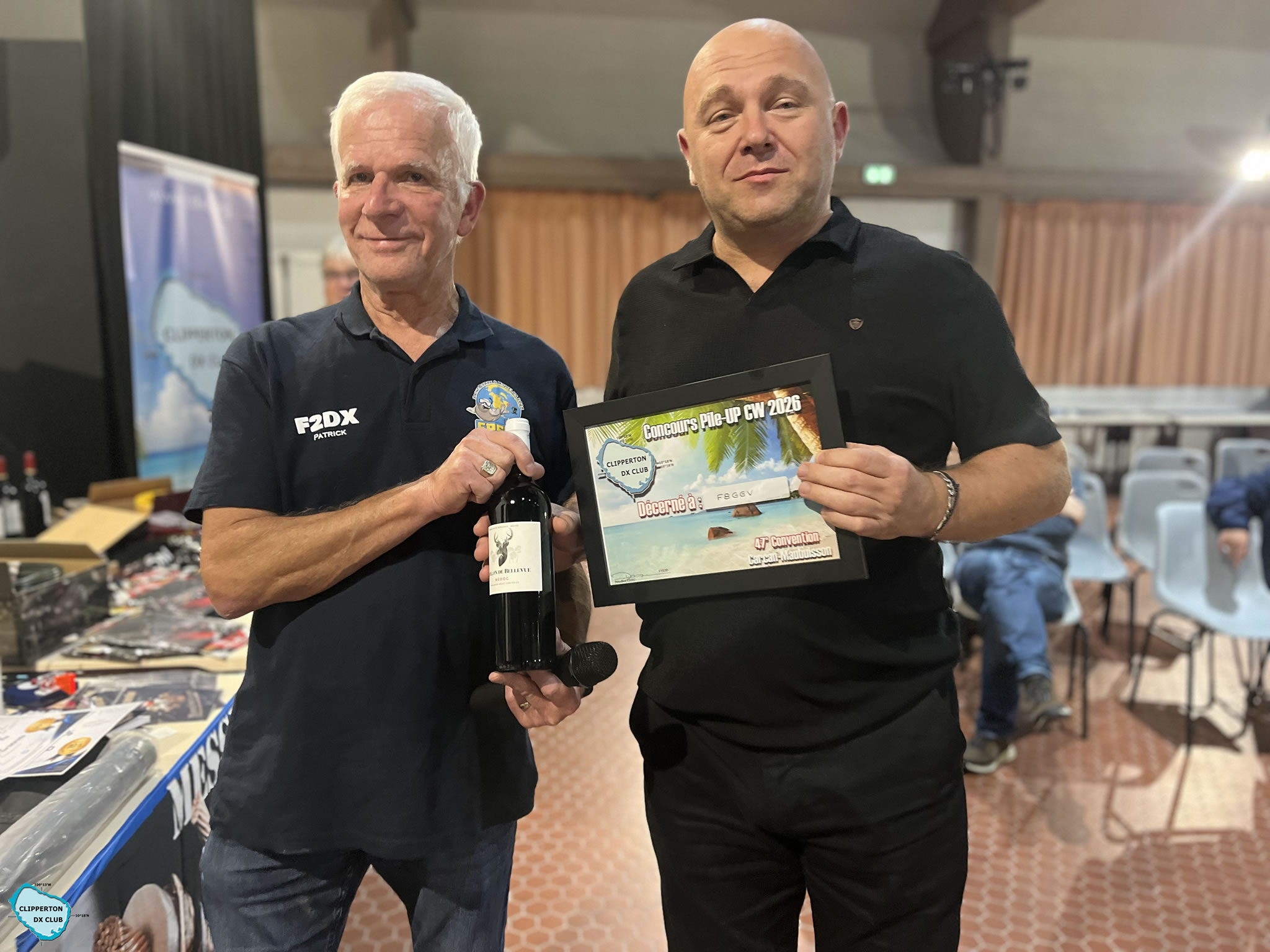
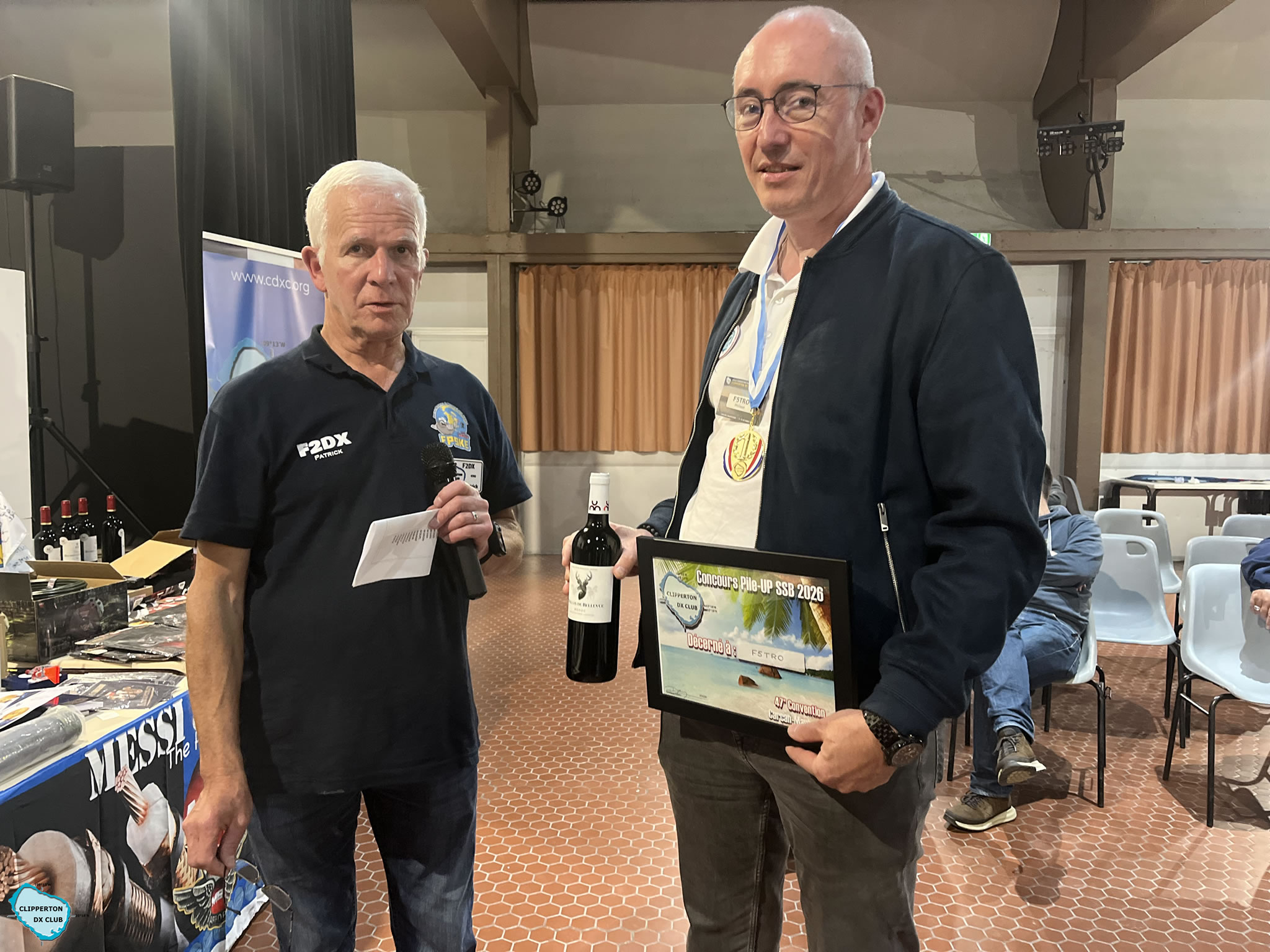
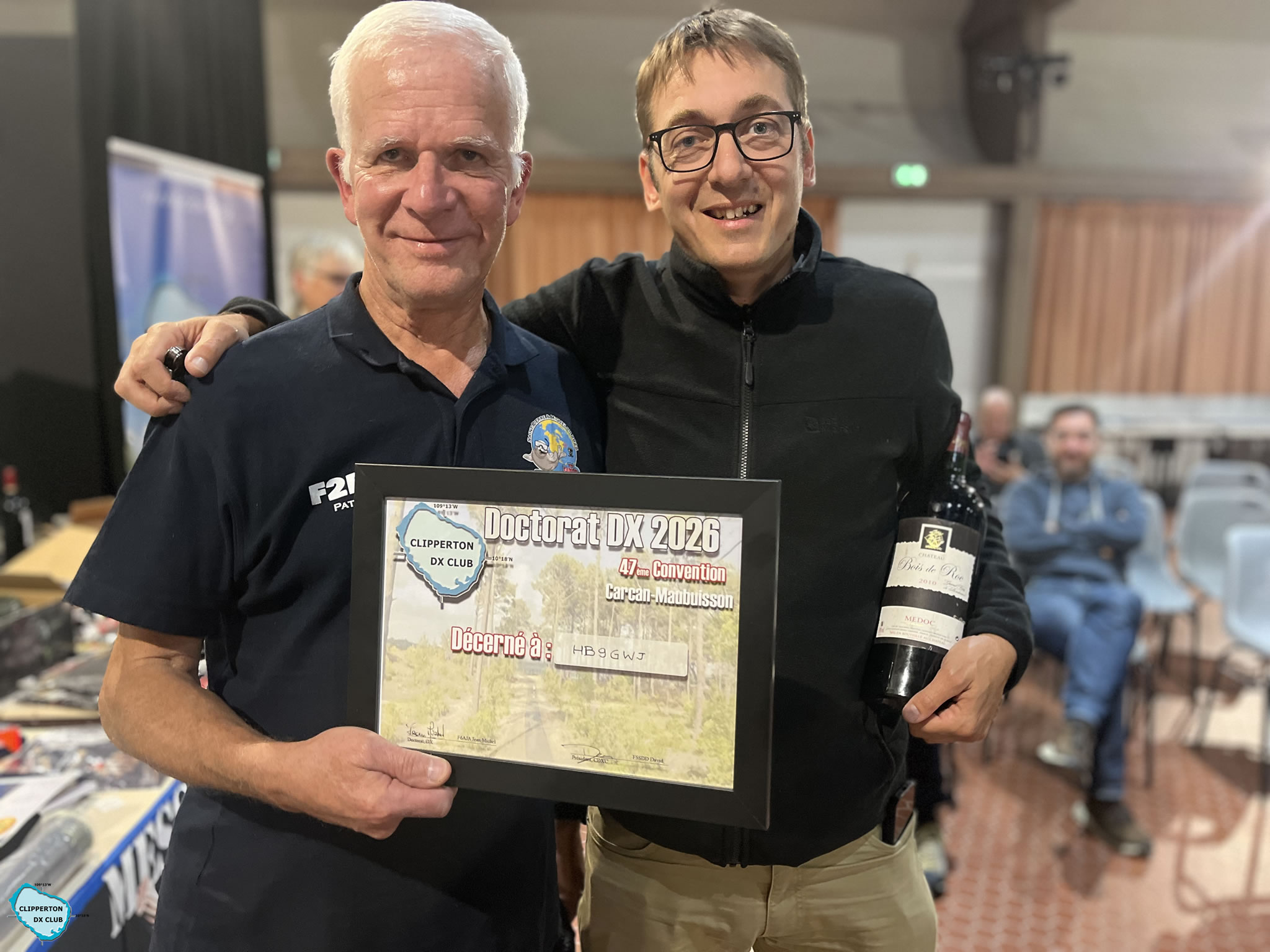
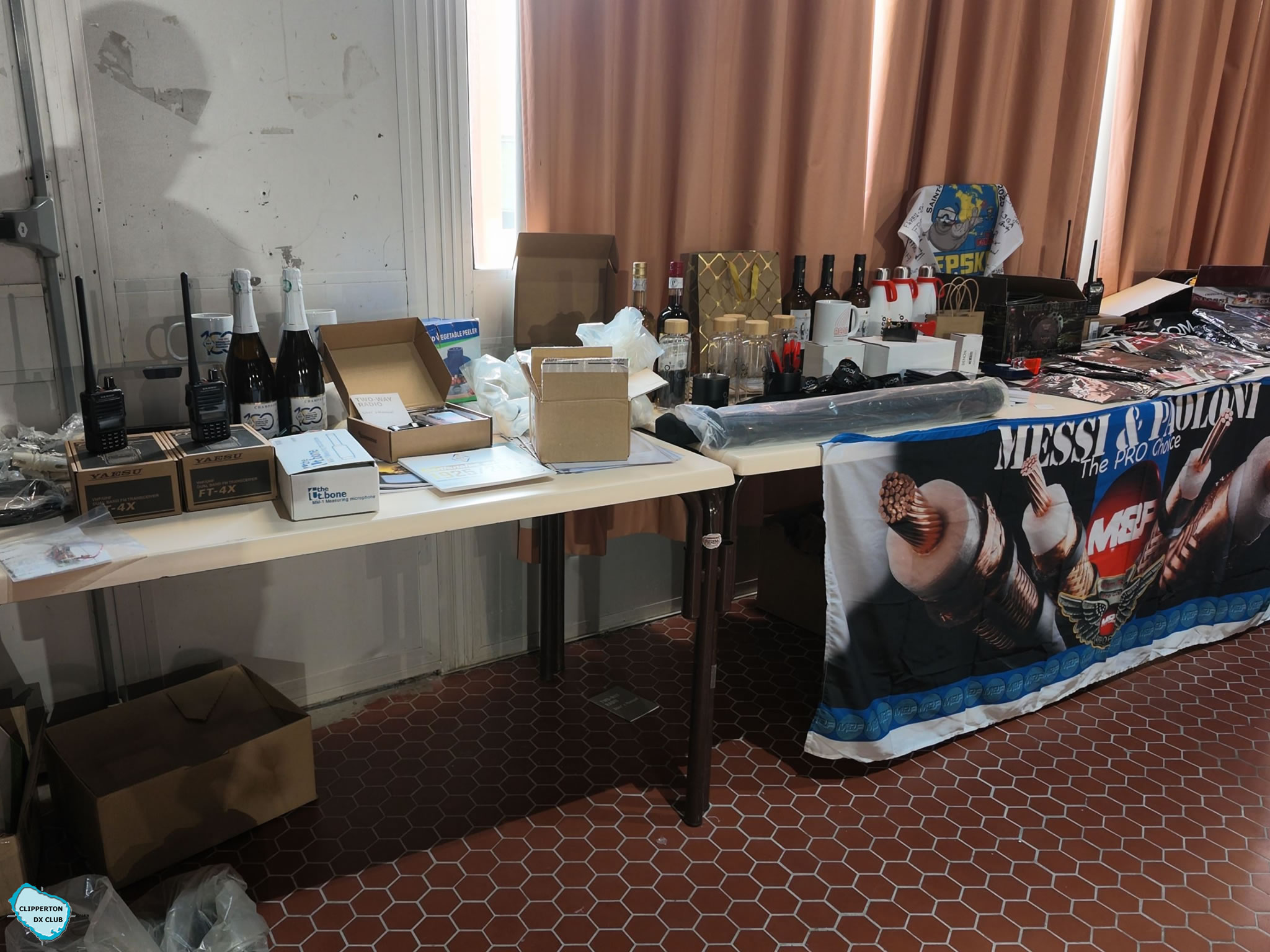
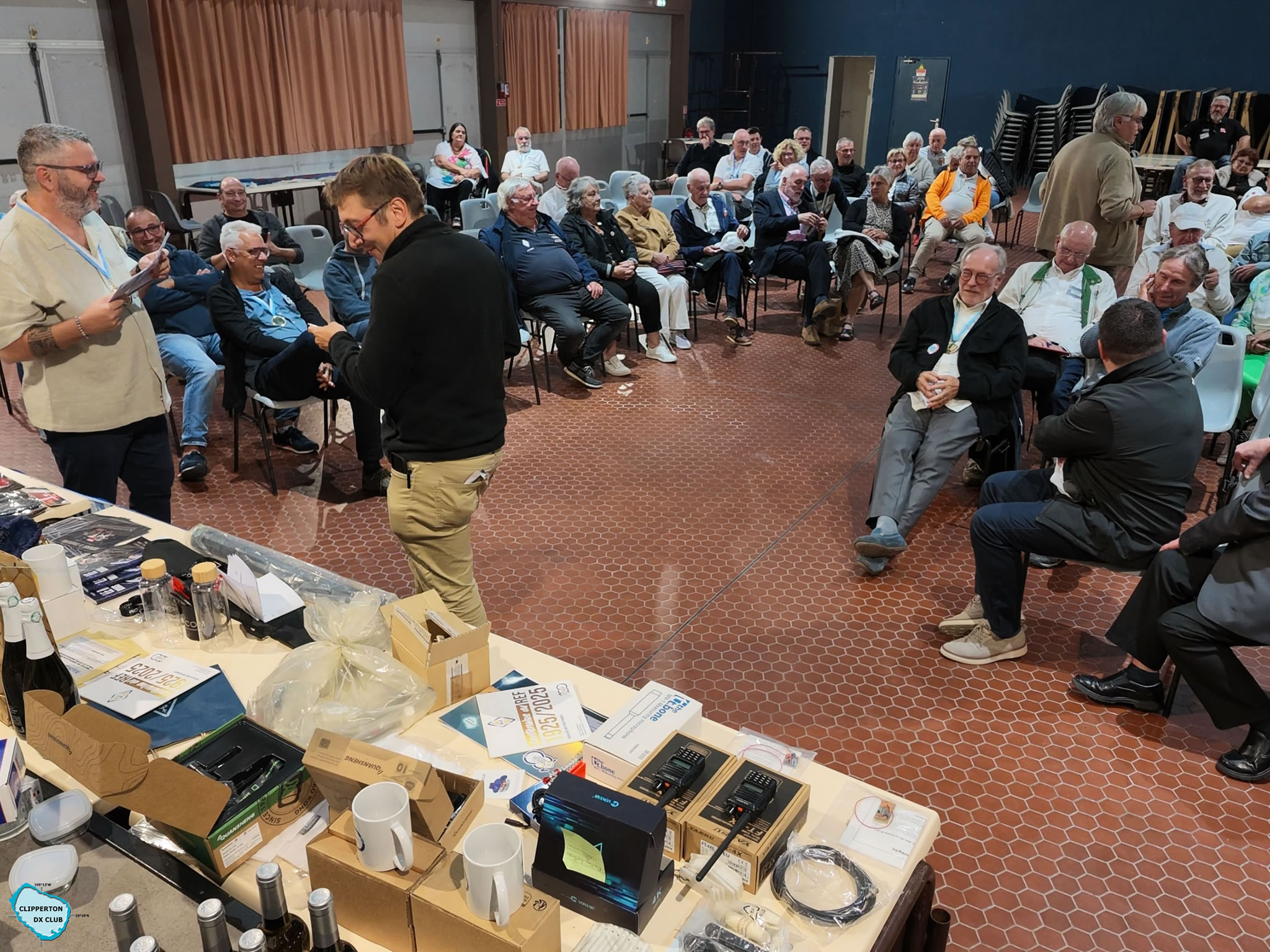
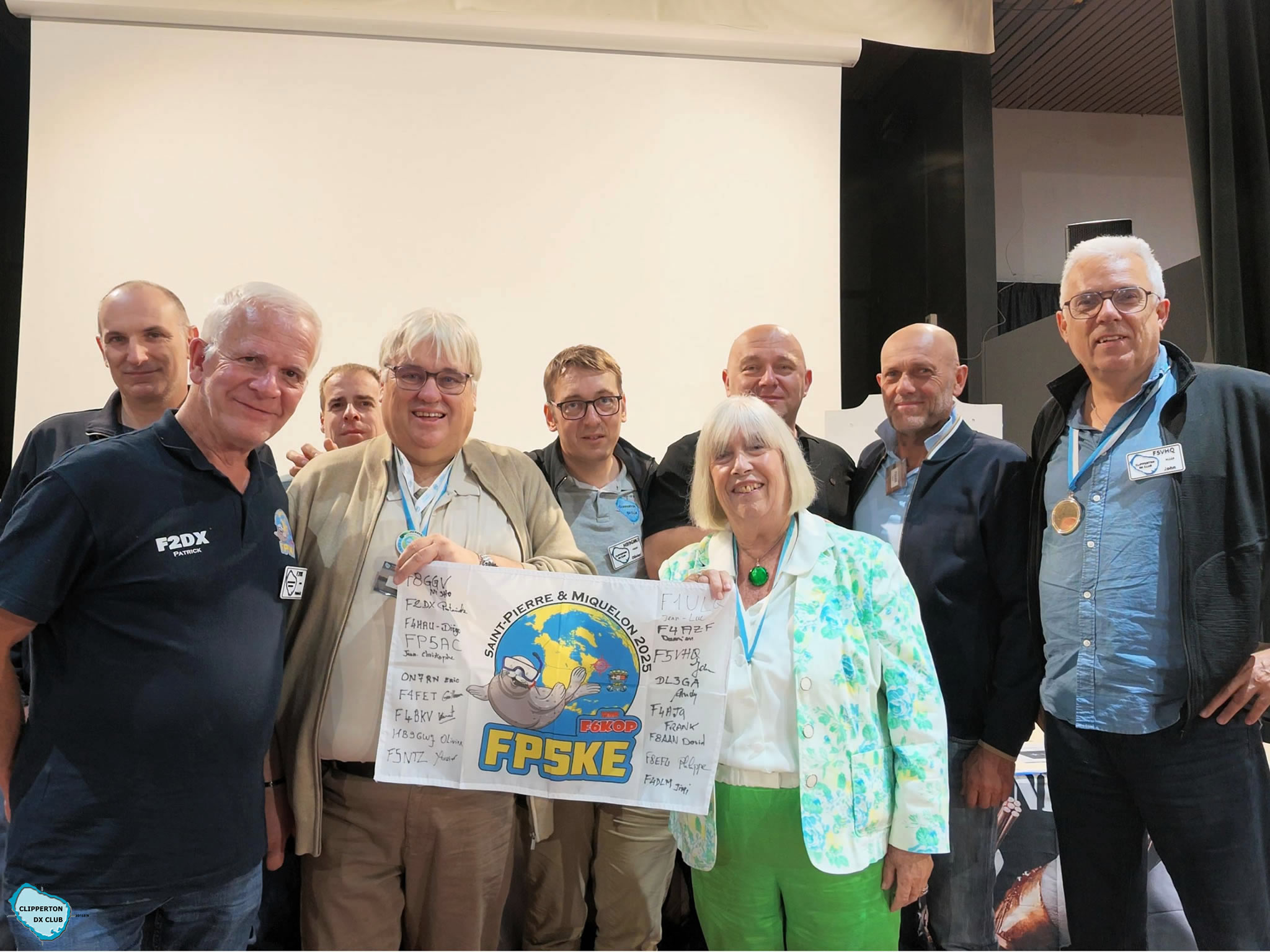
Au terme de la 47ème convention du CDXC, nous vous invitons à découvrir la vidéo 4K réalisée par F2DX (DX AVENUE Production).
Si vous n’avez encore jamais assisté à une de nos conventions, vous saurez ainsi comment elle se déroule, et nous aurons peut-être le plaisir de vous accueillir en septembre 2027 pour la 48ème édition.
Rappelons que la convention du Clipperton DX Club est le rendez-vous annuel français des passionnés de DX avec notamment des présentations d’expéditions aidées par le CDXC, des concours de pile-up, le doctorat DX etc. L’association fondée en 1978 y tient également son assemblée générale.
D’autres vidéos de précédentes conventions sont également disponibles en cliquant ici.
ASTUCE : En cliquant sur « Regarder sur YouTube » vous aurez accès à tous les réglages habituels YouTube comme le changement de résolution jusqu’à 4K et la suppression du sous-titrage automatique. Vous pourrez également ajouter un commentaire.
Following the 47th CDXC convention, we invite you to discover the 4K video produced by F2DX (DX AVENUE Production).
If you have never attended one of our conventions before, you will know how it takes place, and we may have the pleasure of welcoming you in September 2027 for the 48th edition.
As a reminder, the Clipperton DX Club convention is the annual French gathering for DX enthusiasts, featuring presentations of expeditions supported by the CDXC, pile-up competitions, the DX doctorate, etc. The association, founded in 1978, also holds its general meeting during the event.
Other videos from previous conventions are also available by clicking here.
TIP: By clicking « Watch on YouTube » (Regarder sur YouTube) you will have access to all the standard YouTube settings, such as changing the resolution and turning off automatic subtitles. You will also be able to add a comment.
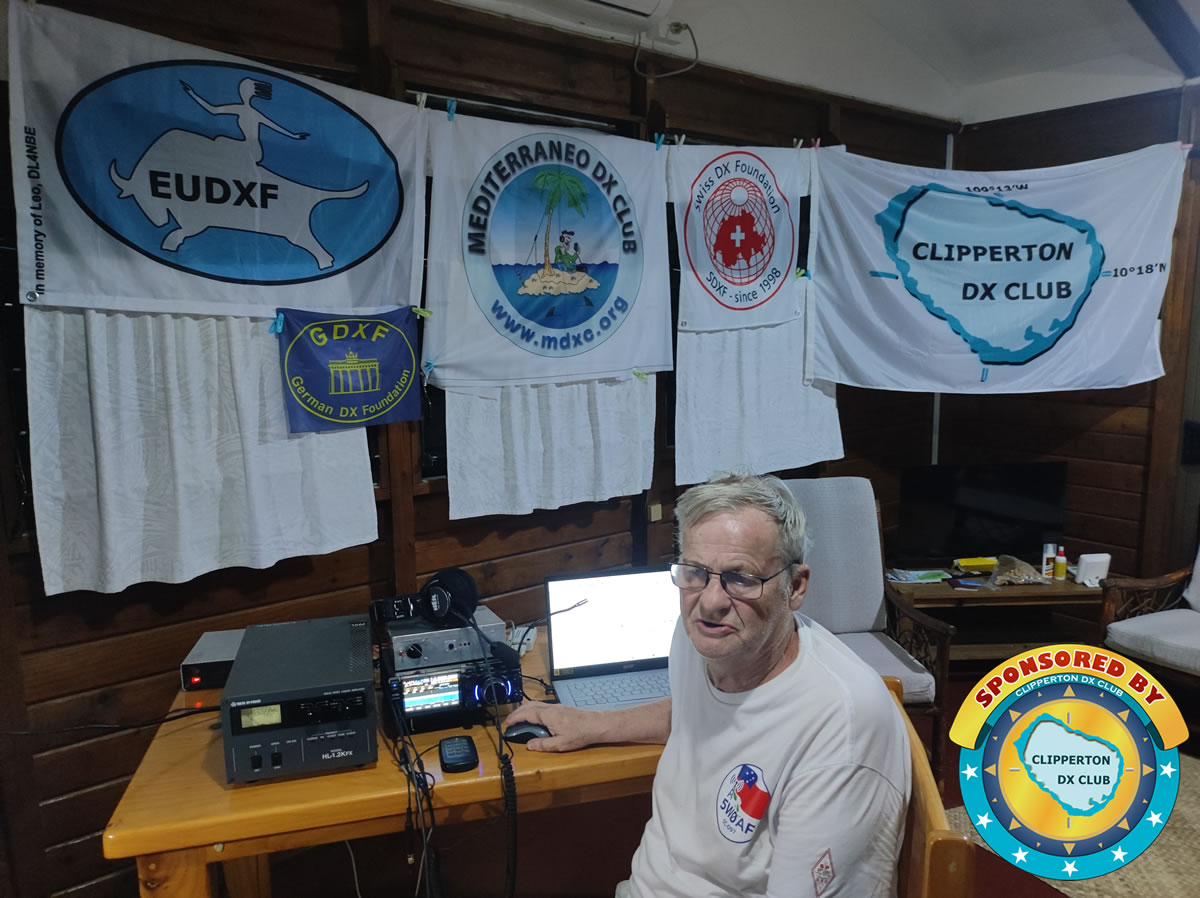
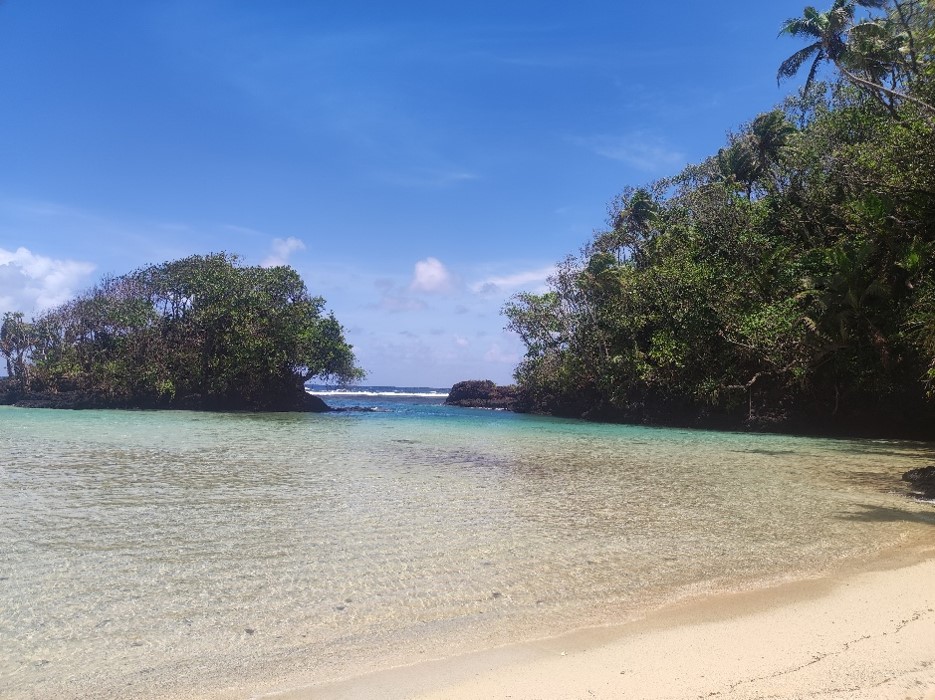
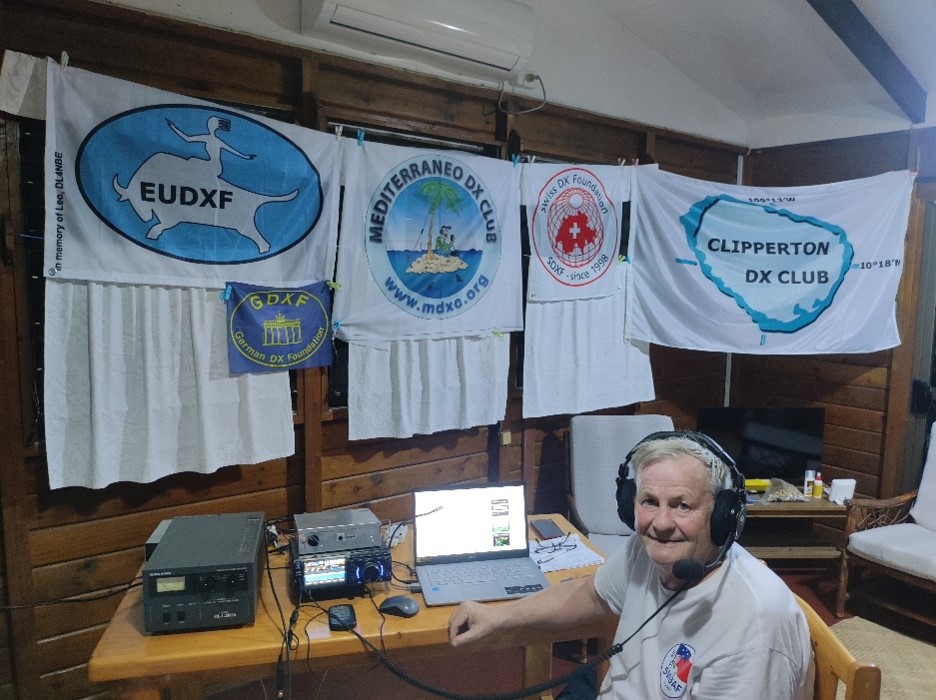
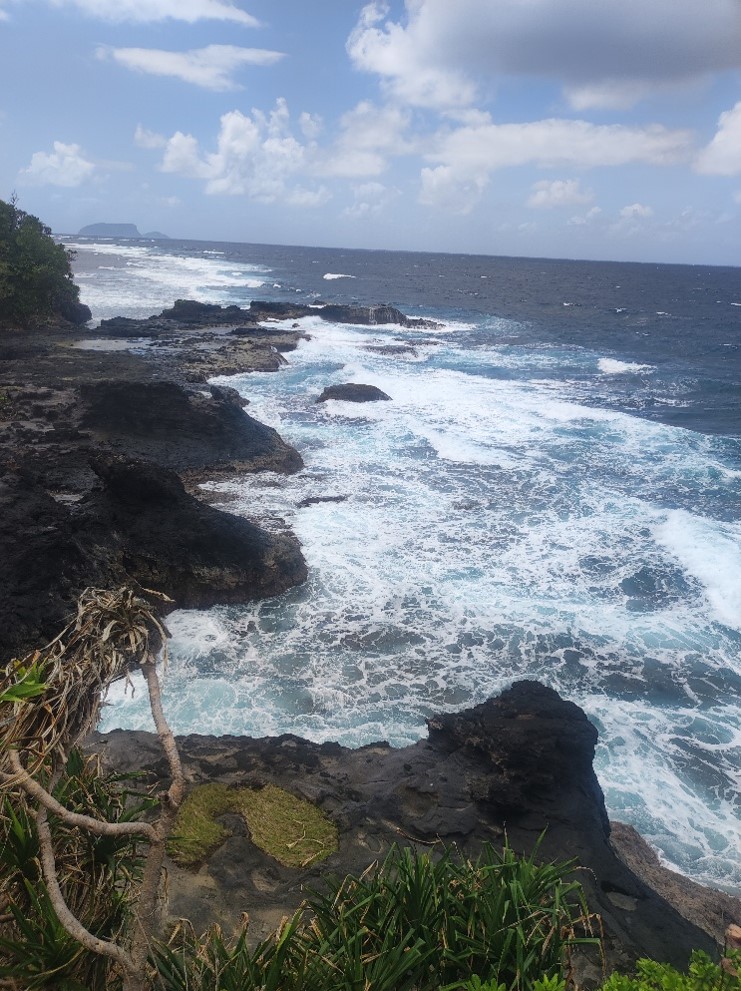
Choosing Samoa as the destination for this DXpedition was motivated by two factors. The first was that the only station that had been active from the island for years, Atsu 5W1SA, had largely abandoned SSB operation and focused almost exclusively on digital modes. The second reason was my lengthy recovery following major heart surgery. I was somewhat reluctant to travel to remote locations where access to medical assistance could be limited if needed. So, when planning a Pacific trip in the spring of 2026, I chose Samoa, a place I had already visited twice while traveling to and from Tokelau. I also personally knew the manager of the site where I intended to install my antennas and rent a cottage.
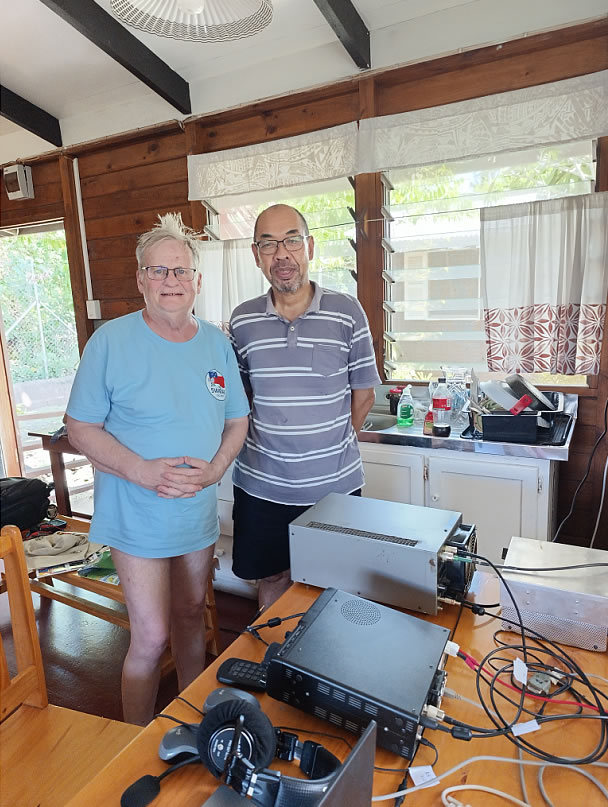
Another advantage was the availability of fast internet access, which would allow me to upload logs frequently. My cousin, who is not a radio amateur, also joined the expedition, making it much easier to transport nearly 50 kg of equipment.
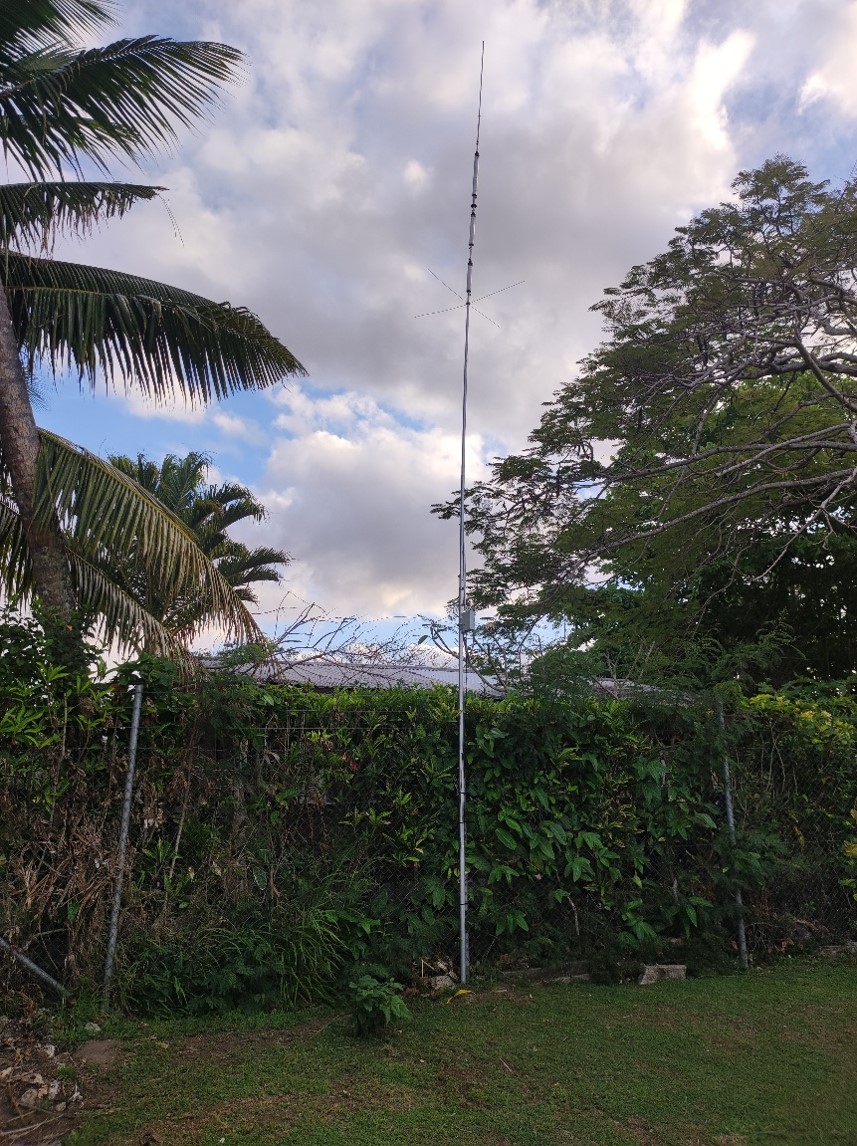
Unfortunately, the outbreak of war in the Middle East in the spring rendered my previously purchased Qatar Airways tickets unusable. As a result, I postponed the expedition until the fall, which forced me to change my itinerary. I eventually traveled via Turkey, Hong Kong, and New Zealand, making for a very long and exhausting journey. Fortunately, all of my equipment arrived intact, and the day after landing in Samoa, after setting up a GP-7 multiband vertical dipole manufactured by SP7GXP(only 7 kg in its lightweight version!), I was already on the air.
Unfortunately, after just two days, my favorite amplifier, which had served me flawlessly on numerous DXpeditions, failed. Being an electronics engineer and carrying plenty of spare parts and the proper tools, I spent considerable time trying to locate the fault, but without success. The culprit eventually turned out to be one of the five cascaded DC-DC converters in the high-voltage power supply. There was simply no way to repair it under field conditions.
Operating QRP proved to be a disaster. Instead of the 700 QSOs per day I had expected, I was making only a few dozen. Moving the antenna closer to the ocean helped somewhat, but Europe still struggled to copy my signal. Throughout the expedition I also had to contend with local noise that persisted all night, most likely generated by LED lighting around the property. Unfortunately, there was nothing I could do about it.
After the amplifier failure, I began trying to contact Atsu, 5W1SA whom I knew personally from previous visits to the island. Fortunately, the licensing authority helped me get in touch with him. After an unsuccessful attempt to put a spare amplifier he had available into service, Atsu generously offered to lend me his primary amplifier as soon as he had finished participating in an RTTY contest. Thanks to his kindness, after several frustrating days of QRP operation, I was once again able to run full power at 500 watts.
Propagation conditions were highly variable. Initially they were very poor, with the A-index above 20, and 40 meters was virtually the only reliably open band. Conditions then improved somewhat, although the bands remained extremely unpredictable. On 12 meters, where online demand was particularly high, openings to Europe were frustratingly short. On the other hand, I was pleasantly surprised to discover long and productive late-morning openings on 10 meters, during which I was called mainly by North American stations for several hours at a time. None of the propagation prediction tools I used had forecast these openings. Later, conditions deteriorated again. Even stations from usually reliable Japan became difficult to work, European openings became much shorter, and noise levels on 20 meters occasionally reached S6.
The biggest disappointment was undoubtedly 80 meters. During the final week of the expedition I erected a Delta Loop, hoping to give more stations a chance on that band. However, the noise level remained between S7 and S9 around the clock. Installing a dedicated receiving antenna was simply not possible, and despite all efforts I was almost inaudible in Europe, resulting in only a single QSO there. I managed just a handful of contacts overall, despite spending every sunrise and sunset calling CQ.
Looking at the expedition as a whole, I had originally hoped to make around 10,000 SSB QSOs. In reality, 5,000 proved to be a much more achievable target, and one that I came very close to reaching. From the beginning, the expedition’s OQRS system was activated by QSL manager Marek SP7DQR, while the expedition website was administered by its creator, Tom SP5UAFwho kindly designed the logo shown below.
See you again in the air, 73 de Jacek SP5EAQ
About QSL (October 22, 2026): The OQRS system is active and the final log has been uploaded already to LoTW. Cards are in the final design phase.
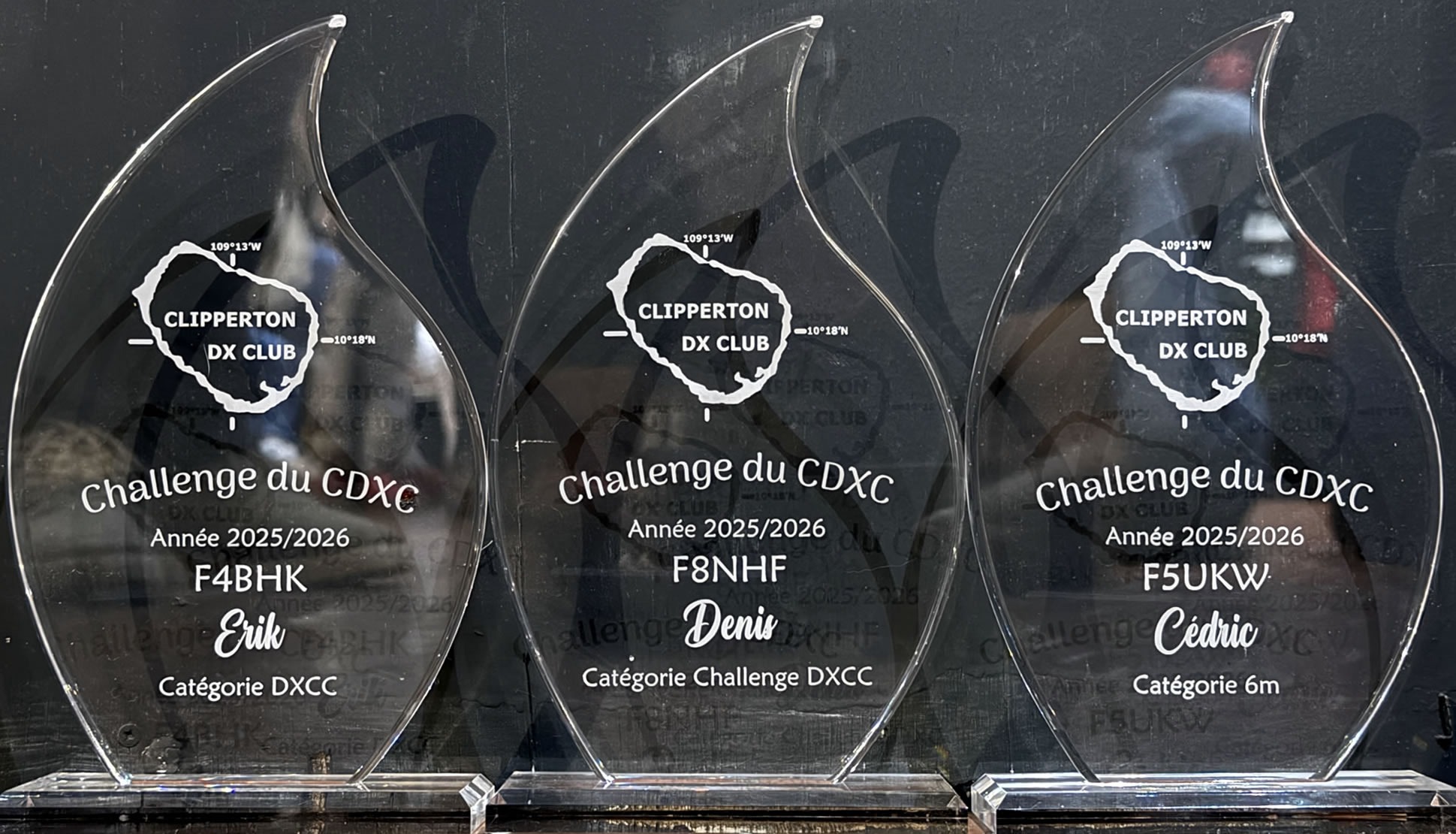
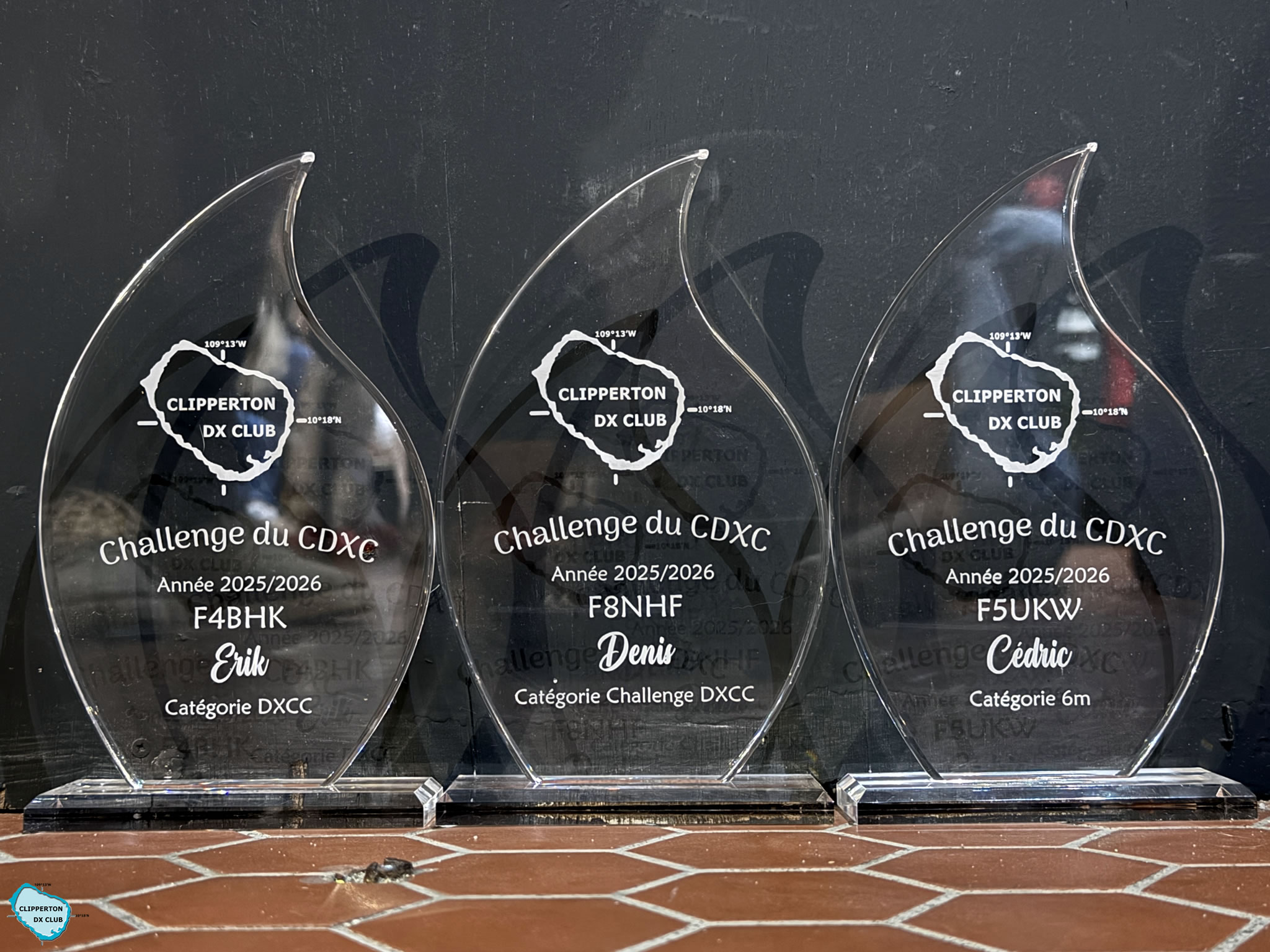
Félicitations à Denis F8NHF qui est classé 1er de la catégorie Challenge DXCC avec 2009 contrées.
Conformément au règlement, le correcteur et membres du conseil d’administration du CDXC peuvent participer et se classer mais ne peuvent pas être désignés vainqueurs.